
On 13 Oct 2026, Ven. Anuvidita explained the Buddhist concept of the five aggregates, which outline the fundamental reality of human existence. Through a traditional discourse known as the Lump of Foam Sutta, these components are compared to various fragile phenomena to illustrate their transient nature. Specifically, form is likened to river foam, feelings to water bubbles, perceptions to mirages, volitional formations to plantain tree trunks, and consciousness to magical illusions. By carefully investigating these aspects, practitioners can recognise their hollow and insubstantial qualities rather than viewing them as solid or permanent. Ultimately, understanding this illusory framework fosters disenchantment and detachment, leading the mind toward liberation and the cessation of suffering.
6 Counter-Intuitive Lessons from Ancient Wisdom on Surviving Modern Social Media "Brain Rot"
On 11 Oct 2026, Bro. Ananda Fong examines the dangers of blindly trusting information encountered on social media, connecting modern digital susceptibility to historical manipulation and the spread of unverified misinformation. He argues that excessive online consumption leads to brain rot, characterized by anxiety, fragmented attention, and diminished intellectual wellbeing. Drawing heavily upon Buddhist teachings, the speaker contrasts passive faith with active scrutiny and verification, emphasizing that individuals should personally test ideas rather than accept them at face value. Furthermore, it highlights that the Dhamma-Vinaya serves as a practical path for self-transformation, promoting mindfulness, moral conduct, and rational investigation over dogma. Ultimately, the discourse encourages people to pause and reflect critically on digital content to protect themselves from psychological distress and digital deception.
SPONSORS FOR NEW MOON PUJA for 10 Oct 2026
Andrew Lim & Family
Angela Tan Ee Peng
BOON SUAN KHIM
Chai Shwu Pyng
Chan Chooi Yee
Chan Lai Peng
Cheah Yuet Lee and family
Chey Wan Tow & family
Chin Zu Yao and Family
Chuah Seong Phaik & Family
Chuah Su Seng & Family
CHUNG CHEE LEONG
CHUNG YONG CHENG
Dino Lim
Foo Kam Mee and Family
FOO SHIN CHUARN & FAMILY
FOO YOKE WAH & FAMILY
GAN SHAO HENG
Gan Ting Rui
Hoe Swee Thong / Lau Yew Heng
Hoe Tuck Soon / Hoe Tuck Onn / Hor Siew May
Kevin Lim & Family
KHAW POH TING & FAMILY
Khoo Kim Meng & Family
Kingsley Low Shee Mun & Family
Kwang Poon Lek / Teoh Chai Nyik
LAU SHOK CHING
Leong Wai Tak n family
Liau Hui Meng
Liew Swee San & Family
Lim Chong Hiong
LIM SWEE KIM
Lim Tiong Kiat & Family
Low Family
Low Shan Shan
May your aspirations bear fruit, Andy Tan
Michael CK Sum & Family
Ng family
Ng Jing Xin & family
Ng Kuan Lin Ken & Family
NG SIN TEAN and Family
Ngeow Family and All Departed Relatives
Ooi Kian Beng & family
Pierre Chuah & Family
POK FOO WAN
Quah Beng Leong & family
Say Kim Kuan n family
Tan Ban Leng & family
Tan Buck Soon n Family
Tan Kok Seng
Tan Ming Xuan
Tan Yew Heng & Family
Tan Zhen Yuan & family, Tan Zhen Feng & Yeoh Su Kheng
Tang Yen Shen
Teoh Chie Lean & Family
Teoh Yue Ling & Family
Teoh Yung Ling & Family
Theresa Toh and Family
Tong Sheau Wann
William Kang Wei Liang
WOO BENG KUEN & FAMILY
Woo Ko Jiuan & Family
Woon Yang Leng and Family
Yee Fah Yong
Yeo Chee Kian & family
Dedicated to Beh Lay See
Dedicated to Chew Wee Lin
Dedicated to Desmond Ee Kim Seong
Dedicated to the late Kue Wei Jun
Dedicated to Lim Aun Siong
Dedicated to Lim Jan Sean
Dedicated to Lim Jan Sean
Dedicated to Lim Yee Jean
Dedicated to Mr. Fang Kuan Weng and Madam Yee Yook Keng. For good health and happiness.
Dedicated to Siaw Lee Yen
Dedicated to The Pang Family
Dedicated to Thu Wen Bin and Family
IMO Ang Eng Chuan
IMO CHAN KAM MUI
IMO Cheah Kwai Mei
In memory of Chew Soon Dik
IMO Chen Yee Kow
IMO Choon Khian Chai
IMO CHUNG AH CHAK & LIEW SWEE KUEN
In memory of Ee Cheng Hee
IMO Goh Hwa Ching
IMO HEAH CHEW JOO & LOW AH CHENG
IMO KHAW SIEW KEE, TAN GUAT YONG, KHAW OOI SENG, TEY CHIN SOON, LIAU KING HONG
IMO Lam Ying Peng
IMO LIAN AH KOW & LEE AH LEE
IMO Lim Joo Eng
IMO LIM KOK CHEONG & YAP BAN ENG
In memory of Lim Kim Sun
IMO LIM TAN CHENG & LIAN KOOI YEAH
IMO of Leong Khong Chee & wife
In Memory of Loo Ee Ling
IMO Tan Cheow Ho
IMO Tan Chew Seng
IMO Tang Yee Han
IMO Mr & Mrs Teoh Chiap Seng
IMO Toh Lai Min
IMO Wee Jee Lan
IMO Wong Wai Man
IMO Yap Aok
5 Counter-Intuitive Lessons on Happiness from Modern Data and Ancient Wisdom
On 4 Oct 2026, Dato Ang presented that global research and traditional Buddhist teachings intersect to reveal that material wealth, interpersonal relationships, and spiritual faith serve as the primary pillars of human well-being. While external factors like advancing age and gender remain beyond personal control, individuals can cultivate genuine contentment by earning honestly, practising mindful communication, and letting go of rigid personal opinions. Ultimately, the core purpose of this discourse is to demonstrate that achieving a truly joyful life relies not on endless material accumulation, but rather on unconditional generosity, inner wisdom, and harmonious connections with others.
The “Rich Buddhist” Manifesto: 5 Surprising Lessons for Modern Life
On 27 Sept 2026, Datuk Charlie explores the concept of Practical Buddhist Living, specifically tailored for laypeople who navigate worldly desires, careers, and family responsibilities rather than seeking total renunciation. The speaker argues that the Buddha’s teachings are not just for monks but offer a symbiotic relationship where successful, wealthy disciples support the religious community while receiving spiritual guidance on managing life’s vicissitudes of gain and loss. By understanding core principles like impermanence (Anicca) and non-attachment, individuals can cultivate a peaceful and contented mind that remains resilient amidst the inevitable changes of health, wealth, and status. He emphasises self-reliance through the Noble Eightfold Path, encouraging practitioners to integrate ethics and mindfulness into their modern vocations to achieve a balance of health, wealth, and emotional wellness. Ultimately, the purpose of the discourse is to redefine Buddhism as an experiential and accessible philosophy centred on doing good, avoiding evil, and purifying the mind in the present moment.
SPONSORS FOR FULL MOON PUJA on 25 September 2026
Andrew Lim & Family
Angela Tan Ee Peng
BEE KIU
BOON SUAN KHIM
Chai Shwu Pyng
Chan Chooi yee
Chan Lai Peng
Cheah Yuet Lee and family
Cheng Lee Sun
Chew Wanzhen Amanda and family
Chey Wan Tow & family
Chia Pay Ying
Chin Zu Yao and Family
Chuah Seong Phaik & Family
Chuah Su Seng & Family
CHUNG CHEE LEONG
CHUNG YONG CHENG
Dino Lim
Foo Kam Mee and family
FOO SHIN CHUARN & FAMILY
FOO YOKE WAH & FAMILY
GAN SHAO HENG
Gan Ting Rui
Hoe Swee Thong / Lau Yew Heng
Hoe Tuck Soon / Hoe Tuck Onn / Hor Siew May
Kevin Lim & Family
KHAW POH TING & FAMILY
Khoo Kim Meng & family
Kingsley Low Shee Mun & Family
Kwang Poon Lek / Teoh Chai Nyik
LAU SHOK CHING
Leekhaiyean & family
Leong Wai Tak n family
Liau Hui Meng
Liew Swee San & Family
Lim Chong Hiong
LIM SWEE KIM
Lim Tiong Kiat & Family
Low Family
low shan shan
May your aspirations bear fruit Andy Tan
Michael CK Sum & family
Ng family
Ng Jing Xin & family
Ng Kuan Lin Ken & Family
NG SIN TEAN and Family
Ngeow Family and All Departed Relatives
Ooi Kian Beng & family
Pierre Chuah & Family
POK FOO WAN
Quah Beng Leong & family
Say Kim Kuan n family
Tan Ban Leng & family
Tan Buck Soon n Family
Tan Family
Tan Kok Seng
Tan Ming Xuan
Tan Yew Heng & Family
Tan Zhen Yuan & family , Tan Zhen Feng & Yeoh Su Kheng
Tang Yen shen
Tee Chin Tiam and Family
Teoh Chie Lean & Family
Teoh Yue Ling & Family
Teoh Yung Ling & Family
Theresa Toh and Family
Tong Sheau Wann
WOO BENG KUEN & FAMILY
Woo Ko Jiuan & family
Woon Yang Leng and Family
Yee Fah Yong
Yeo Chee Kian & family
Dedicate to Beh Lay See
Dedicate to Chew Wee Lin
Dedicate to Desmond Ee Kim Seong
Dedicate to Late Kue Wei Jun
Dedicate to Lim Aun Siong
Dedicate to Lim Jan Sean
Dedicate to Lim Jan Sean
Dedicate to Lim Yee Jean
Dedicate to my beloved parents - Mr. Fang Kuan Weng and Madam Yee Yook Keng. For good health and happiness.
Dedicate to Siaw Lee Yen
Dedicate to The Pang Family
Dedicated to Lim JIT Iuan, Wong Lee Yuen & family
IMO Ang Eng Chuan
IMO CHAN KAM MUI
IMO Cheah Kwai Mei
IMO Chem Yik Chai@Tan Yik Chai
IMO Chen Yee Kow
IMO Cheng Hock Meng
In memory of Chew Soon Dik
IMO Chooi Kim Lan
IMO Choon Khian Chai
IMO CHUNG AH CHAK & LIEW SWEE KUEN
In memory of Ee Cheng Hee
IMO Goh Hwa Ching
IMO HEAH CHEW JOO & LOW AH CHENG
IMO Hew Foong and IMO Yap Nget Moi
IMO KHAW SIEW KEE, TAN GUAT YONG, KHAW OOI SENG, TEY CHIN SOON, LIAU KING HONG
IMO Lam Ying Peng
IMO LIAN AH KOW & LEE AH LEE
In memory of Lim Kim Sun
IMO LIM KOK CHEONG & YAP BAN ENG
IMO LIM TAN CHENG & LIAN KOOI YEAH
IMO Mary Hue Siew Lan
IMO Mr & Mrs Teoh Chiap Seng
IMO of Leong Khong Chee & wife
In Memory of Loo Ee Ling
IMO Tan Cheow Ho
IMO Tan Chew Seng; IMO Lim Joo Eng; IMO Toh Lai Min; IMO Wee Jee Lan
IMO Tang Yee Han
IMO Wong Wai Man
IMO Yap Aok
IMO Yap Nget Moi
The "I Have It" vs. "It Has Me" Paradox: Finding Inner Peace in a World of Relentless Ambition
On 20 Sept 2026, Bro. Mitra Chong explores the Buddhist perspective on balancing worldly success with inner peace. While acknowledging that aspirations for wealth, career advancement, and family harmony are natural for laypeople, the talk highlights the danger of craving, which occurs when one’s happiness becomes entirely dependent on external results. True suffering arises not from having possessions or titles, but from being enslaved by them and defining one's worth through temporary status. By shifting from a mindset of constant accumulation to one of gratitude and contribution, individuals can enjoy life’s comforts without the fear of losing them. Ultimately, he encourages a balanced life where outer achievements are anchored by inner success, such as integrity, wisdom, and the ability to let go.
How to Win Without Fighting: Wisdom from the Kalahavivāda Sutta
On 13 September 2026, Ven. Dr. Chandima presents a Dhamma talk on the wisdom of the Kalahavivāda Sutta (Sn 4.11) to uncover the psychological origins of human conflict. The teaching identifies a chain of causality where quarrels and disputes arise from our attachment to dear people and things. These attachments are fundamentally rooted in desire, which serves as the primary engine for greed and expectation. According to the text, this desire is ultimately triggered by our subjective reactions to pleasant and unpleasant feelings. By understanding these internal mechanisms, individuals can find the wisdom to overcome the roots of friction within themselves. The final goal is to achieve a higher victory by resolving the internal states that lead to external suffering.
Ven. Dr. Chandima
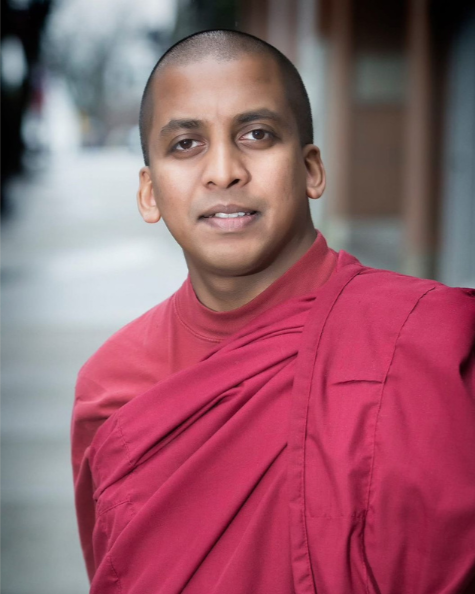
Venerable Dr. Chandima is a distinguished Theravada monastic and an accomplished international scholar of Buddhist philosophy. Combining years of dedicated monastic discipline with rigorous academic inquiry, he brings a unique, highly reflective perspective to the study and practice of Dhamma. His work seamlessly bridges classical Buddhist thought with contemporary ethical and historical discourses.
Academic Excellence and Research
Ven. Dr. Chandima served as a Professor of Buddhist Philosophy in the Department of Philosophy at Ateneo de Manila University in the Philippines. As an active researcher, his scholarly contributions focus on comparative ethics, monastic history, and the application of early Buddhist principles to modern life:
Comparative Medical Ethics: In 2025, his peer-reviewed article titled “Socrates and Early Buddhist Medical Ethics: Foundations of Moral Reasoning in the Care of the Body and Mind” was published in Budhi: A Journal of Ideas and Culture.
Monastic History: He presented cutting-edge research at the Annual Meeting of the American Academy of Religion (AAR) in Boston, USA, exploring the paper “Custodians Without Ordination: The Ganinnānse Tradition and Monastic Succession in Seventeenth-Century Sri Lanka.”
SPONSORS FOR NEW MOON PUJA for 11 Sep 2026
Andrew Lim & Family
Angela Tan Ee Peng
BOON SUAN KHIM
Chai Shwu Pyng
Chan Chooi yee
Chan Lai Peng
Cheah Yuet Lee and family
Chey Wan Tow & family
Chia Pay Ying
Chin Zu Yao and Family
Chuah Seong Phaik & Family
Chuah Su Seng & Family
Dino Lim
Foo Kam Mee and family
FOO SHIN CHUARN & FAMILY
FOO YOKE WAH & FAMILY
GAN SHAO HENG
Gan Ting Rui
Kevin Lim & Family
KHAW POH TING & FAMILY
Khoo Kim Meng & family
Kingsley Low Shee Mun & Family
Leong Wai Tak n family
Liau Hui Meng
Liew Swee San & Family
Lim Chong Hiong
Lim Tiong Kiat & Family
Low Family
low shan shan
May your aspirations bear fruit Andy Tan
Michael CK Sum & family
Ng family
Ng Jing Xin & family
Ng Kuan Lin Ken & Family
NG SIN TEAN and Family
Ngeow Family and All Departed Relatives
Ong Choo Say
Ooi Kian Beng & family
Pierre Chuah & Family
POK FOO WAN
Quah Beng Leong & family
Say Kim Kuan n family
Tan Ban Leng & family
Tan Buck Soon n Family
Tan Kok Seng
Tan Ming Xuan
Tan Yew Heng & Family
Tan Zhen Yuan & family , Tan Zhen Feng & Yeoh Su Kheng
Tang Yen shen
Teoh Chie Lean & Family
Teoh Yue Ling & Family
Teoh Yung Ling & Family
Theresa Toh and Family
Thu Wen Bin and Family
Tong Sheau Wann
WOO BENG KUEN & FAMILY
Woo Ko Jiuan & family
Woon Yang Leng and Family
Yee Fah Yong
Yeo Chee Kian & family
Dedicate to Beh Lay See
Dedicate to Chew Wee Lin
Dedicate to Desmond Ee Kim Seong
Dedicate to Lim Aun Siong
Dedicate to Lim Jan Sean
Dedicate to Lim Jan Sean
Dedicate to Lim Yee Jean
Dedicate to my beloved parents - Mr. Fang Kuan Weng and Madam Yee Yook Keng. For good health and happiness.
Dedicate to Siaw Lee Yen
Dedicate to The Pang Family
IMO Ang Eng Chuan
IMO CHAN KAM MUI
IMO Cheah Kwai Mei
IMO Chen Yee Kow
In memory of Chew Soon Dik
IMO Choon Khian Chai
In memory of Ee Cheng Hee
IMO Goh Hwa Ching
IMO KHAW SIEW KEE, TAN GUAT YONG, KHAW OOI SENG, TEY CHIN SOON, LIAU KING HONG
IMO Lam Ying Peng
IMO of Leong Khong Chee & wife
In memory of Lim Kim Sun
IMO Tan Cheow Ho
IMO Tang Yee Han
IMO Mr & Mrs Teoh Chiap Seng
IMO Wong Wai Man
IMO Yap Aok
Luang Ta Siri Indasiri
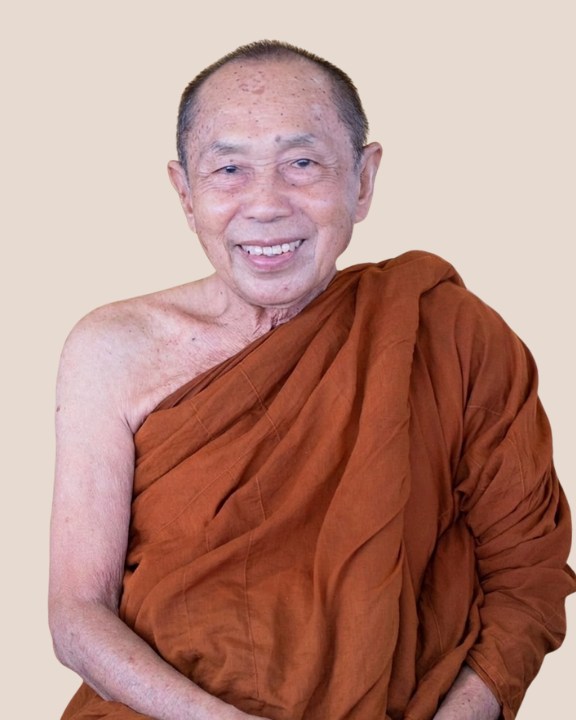
Most Venerable Luang Ta Siri Indasiri is a deeply respected meditation master and Dhamma teacher from the Thai Forest Tradition. Residing at Wat Tham Pha Daeng Pha Nimit in Khon Kaen Province, Thailand, Luang Ta Siri is celebrated for his strict ascetic discipline, unwavering dedication to mindfulness, and his selfless transition from a secular career into the holy life.
Early Life and Spiritual Heritage
Born on May 13, 1944, Luang Ta Siri was connected to Buddhism and meditation from a young age. He was a close relative and devoted follower of the revered forest monk Luang Pu Kamdee Paphaso, absorbing the pristine spirit of the Kammaṭṭhāna lineage early in life.
Before entering the monastic order, Luang Ta Siri lived a full lay life, serving his community as a dedicated school teacher and principal while raising a family.
Monastic Ordination and Practice
After ensuring his wife and children were fully provided for and formally resigning from his secular career, Luang Ta Siri dedicated his remaining years entirely to the monastic path. He received full higher ordination (Upasampada) at the age of 49 on August 1, 1993, at Wat Tham Phapu, taking the Dhamma name Indasiri.
Throughout his decades in the robes, Luang Ta Siri has maintained a reputation for strict ascetic discipline and intense, uninterrupted meditation. His teaching style emphasizes practical mindfulness, mental purity, and the transformative power of direct practice.
On 30 Aug 2026, Luang Ta Siri Indasiri teaches that the pinnacle of spiritual practice lies in the cultivation of mindfulness through breathing, explaining that the Buddha achieved enlightenment by observing this simple, natural process. He structures the path around the Seven Factors of Enlightenment, demonstrating how continuous awareness of the breath naturally transitions from initial effort to a state of joy, tranquility, and profound equanimity. By refining this practice, a seeker can develop the Threefold Knowledge, which includes recalling past lives and understanding the cessation of suffering, ultimately leading to liberation from the five aggregates. The speaker emphasizes that adherence to the five precepts provides the essential moral foundation to avoid lower realms, while the active application of these teachings is the only way to transform intellectual hearing into the fruit of Nibbana.
On 31 Aug 2026, Luang Ta Siri Indasiri explains that Dhamma is nature, specifically manifesting as the body, speech, and mind that sit here in the present moment. Most people suffer because they are lost in the illusion of self, mistakenly believing that the five aggregates—the physical and mental components of existence—belong to a permanent "I" or "mine". By deconstructing the person into the six natural elements like earth, water, and consciousness, one realises there is no owner or individual soul, only a temporary gathering of universal properties.
To attain the first stage of enlightenment, one must sever the three fetters, primarily the wrong view of self (Sakkaya-ditthi), which dissolves the ego-attachment to the physical form. This shift from wrong view to right view allows a practitioner to live without being consumed by greed or anger, as there is no longer an "I" to receive or react to emotions. Ultimately, by returning the aggregates to nature and ceasing to claim ownership over sensory experiences, the mind finds liberation in Nirvana, a state of priceless peace that cannot be bought or sold.
On 31 Aug 2026, Luang Ta Siri focuses on the attainment of Enlightenment through the systematic understanding of the Five Aggregates and the Four Noble Truths. The teacher explains that the Buddha reached the state of an Arahant by perfecting Morality, Concentration, and Wisdom, specifically by training the mind to see that the body and mind are merely a collection of natural elements rather than a permanent self. Central to the discourse is the practice of giving up attachment to the aggregates, which is described as the ultimate form of generosity required to reach Nibbana. By observing the breath and investigating the physical and mental processes, a practitioner can transcend the illusions of the ego and the cycle of rebirth. The dialogue concludes by encouraging students to simplify their practice by focusing on virtuous conduct of body, speech, and mind, viewing all phenomena as empty of a "person" or "soul".
On 1 Sept 2026, Luang Ta Siri Indasiri outlines the virtues of the Sangha, or the community of disciples, as a vital framework for reaching Nirvana. He explains that a true disciple is not defined by title but by the purification of body, speech, and mind, moving beyond mere ritual to align one's actions with the Dhamma and Vinaya. A central theme of the discourse is the deconstruction of the five aggregates, where the teacher illustrates that suffering arises when the mind mistakenly clings to these natural processes as a permanent self. By understanding that the "self" is merely a conventional designation for a collection of natural elements—earth, water, fire, and air—practitioners can dissolve attachment and enter the supramundane stream. Ultimately, the talk emphasizes that enlightenment is accessible to all who apply these teachings to their own lives, transforming the mind into a field of merit through the practice of the Eightfold Path.
On 1 Sept 2026, Luang Ta Siri Indasiri simplifies the path to enlightenment by reducing the vast Buddhist canon to the immediate cultivation of body, speech, and mind. He explains that the core of the Buddha’s teaching is found within the five aggregates, which are not abstract concepts but the physical and mental reality of our own existence. By maintaining ethical conduct and observing the rise and fall of the breath, practitioners can witness the three marks of existence—impermanence, suffering, and non-self—thereby transforming intellectual knowledge into direct insight. The discourse systematically outlines the three stages of "Sotapanna" or Stream-entry, guiding the listener from basic moral discipline to the advanced dissolution of the fetters of self-identity, doubt, and attachment to rites. Ultimately, the teacher emphasizes that realizing the emptiness of the self within the natural elements leads to the cessation of greed, hatred, and delusion, paving a clear and accessible way to Nibbana.
SPONSORS FOR FULL MOON PUJA on 27 August 2026
Andrew Lim & Family
Angela Tan Ee Peng
BOON SUAN KHIM
Chai Shwu Pyng
Chan Chooi yee
Chan Lai Peng
Cheah Yuet Lee and family
Chew Wanzhen Amanda and family
Chey Wan Tow & family
Chia Pay Ying
Chin Zu Yao and Family
Chuah Seong Phaik & Family
Chuah Su Seng & Family
Dino Lim
Foo Kam Mee and family
FOO SHIN CHUARN & FAMILY
FOO YOKE WAH & FAMILY
Thu Wen Bin and Family
Say Kim Kuan n family
GAN SHAO HENG
Gan Ting Rui
Kevin Lim & Family
KHAW POH TING & FAMILY
Khoo Kim Meng & family
Kingsley Low Shee Mun & Family
Leekhaiyean & family
Leong Wai Tak n family
Liau Hui Meng
Liew Swee San & Family
Lim Chong Hiong
Lim Tiong Kiat & Family
Low Family
low shan shan
May your aspirations bear fruit Andy Tan
Michael CK Sum & family
Ng family
Ng Jing Xin & family
Ng Kuan Lin Ken & Family
NG SIN TEAN and Family
Ngeow Family and All Departed Relatives
Ooi Kian Beng & family
Pierre Chuah & Family
POK FOO WAN
Quah Beng Leong & family
Tan Ban Leng & family
Tan Buck Soon n Family
Tan Family
Tan Kok Seng
Tan Ming Xuan
Tan Yew Heng & Family
Tan Zhen Yuan & family , Tan Zhen Feng & Yeoh Su Kheng
Tang Yen shen
Tee Chin Tiam and Family
Teoh Chie Lean & Family
Teoh Yue Ling & Family
Teoh Yung Ling & Family
Theresa Toh and Family
Tong Sheau Wann
WOO BENG KUEN & FAMILY
Woo Ko Jiuan & family
Woon Yang Leng and Family
Yee Fah Yong
Yeo Chee Kian & family
Dedicate to Beh Lay See
Dedicate to Chew Wee Lin
Dedicate to Desmond Ee Kim Seong
Dedicate to Lim Aun Siong
Dedicate to Lim Jan Sean
Dedicate to Lim Jan Sean
Dedicate to Lim Yee Jean
Dedicate to my beloved parents - Mr. Fang Kuan Weng and Madam Yee Yook Keng. For good health and happiness.
Dedicate to Siaw Lee Yen
Dedicate to The Pang Family
Dedicated to Lim JIT Iuan, Wong Lee Yuen & family
IMO Ang Eng Chuan
IMO CHAN KAM MUI
IMO Cheah Kwai Mei
IMO Chen Yee Kow
In memory of Chew Soon Dik
IMO Choon Khian Chai
In memory of Ee Cheng Hee
IMO Goh Hwa Ching
IMO KHAW SIEW KEE, TAN GUAT YONG, KHAW OOI SENG, TEY CHIN SOON, LIAU KING HONG
IMO Lam Ying Peng
In memory of Lim Kim Sun
IMO Loh Ancestors
IMO of Leong Khong Chee & wife
IMO Tan Cheow Ho
IMO Tang Yee Han
IMO Mr & Mrs Teoh Chiap Seng
IMO Wong Wai Man
IMO Yap Aok
SPONSORS FOR NEW MOON PUJA for 13 Aug 2026
Andrew Lim & Family
Angela Tan Ee Peng
BOON SUAN KHIM
Chai Shwu Pyng
Chan Chooi yee
Chan Lai Peng
Cheah Yuet Lee and family
Chey Wan Tow & family
Chin Zu Yao and Family
Chuah Seong Phaik & Family
Chuah Su Seng & Family
Dino Lim
Foo Kam Mee and family
FOO SHIN CHUARN & FAMILY
FOO YOKE WAH & FAMILY
GAN SHAO HENG
Gan Ting Rui
Kevin Lim & Family
KHAW POH TING & FAMILY
Khoo Kim Meng & family
Kingsley Low Shee Mun & Family
Leong Wai Tak n family
Liau Hui Meng
Liew Swee San & Family
Lim Chong Hiong
Lim Tiong Kiat & Family
Low Family
low shan shan
May your aspirations bear fruit Andy Tan
Michael CK Sum & family
Ng family
Ng Jing Xin & family
Ng Kuan Lin Ken & Family
NG SIN TEAN and Family
Ngeow Family and All Departed Relatives
Ooi Kian Beng & family
Pierre Chuah & Family
POK FOO WAN
Quah Beng Leong & family
Say Kim Kuan n family
Tan Ban Leng & family
Tan Buck Soon n Family
Tan Kok Seng
Tan Ming Xuan
Tan Yew Heng & Family
Tan Zhen Yuan & family , Tan Zhen Feng & Yeoh Su Kheng
Tang Yen shen
Teoh Chie Lean & Family
Teoh Yue Ling & Family
Teoh Yung Ling & Family
Theresa Toh and Family
Thu Wen Bin and Family
Tong Sheau Wann
WOO BENG KUEN & FAMILY
Woo Ko Jiuan & family
Woon Yang Leng and Family
Yee Fah Yong
Yeo Chee Kian & family
Dedicate to Beh Lay See
Dedicate to Chew Wee Lin
Dedicate to Desmond Ee Kim Seong
Dedicate to Lim Aun Siong
Dedicate to Lim Jan Sean
Dedicate to Lim Jan Sean
Dedicate to Lim Yee Jean
Dedicate to my beloved parents - Mr. Fang Kuan Weng and Madam Yee Yook Keng. For good health and happiness.
Dedicate to Siaw Lee Yen
Dedicate to The Pang Family
IMO Ang Eng Chuan
IMO CHAN KAM MUI
IMO Cheah Kwai Mei
IMO Chen Yee Kow
In memory of Chew Soon Dik
IMO Choon Khian Chai
In memory of Ee Cheng Hee
IMO Goh Hwa Ching
IMO KHAW SIEW KEE, TAN GUAT YONG, KHAW OOI SENG, TEY CHIN SOON, LIAU KING HONG
IMO Lam Ying Peng
In memory of Lim Kim Sun
IMO Mr & Mrs Teoh Chiap Seng
IMO of Leong Khong Chee & wife
IMO Ong ancestors
IMO Tan Cheow Ho
IMO Tang Yee Han
IMO Wong Wai Man
IMO Yap Aok
The Surgeon of the Soul: Navigating Life’s Disruptions with Practical Dhamma
On 9 Aug 2026, Dr Wong Teck Wee explores how to navigate life's inevitable crises by applying Practical Dhamma and the principles of mindfulness. He defines a crisis as a destabilising turning point that disrupts our sense of control, yet suggests these challenges can be transformed into opportunities for resilience and growth through spiritual tools. Central to this journey is the Satipaṭṭhāna practice, which involves the Four Foundations of Mindfulness—observing the body, feelings, mind, and mental patterns to create a necessary gap between a stimulus and our reaction. By investigating the Three Marks of Existence—impermanence, suffering, and non-self—practitioners learn that difficult emotions like anger or worry are merely conditioned phenomena rather than permanent identities. Ultimately, Dr. Wong advocates for the Noble Eightfold Path as a practical "prescription" to move from an unconscious, automatic life toward a state of equanimity and freedom mirrored by the enlightened Arahant.
The Cognitive Cost of Convenience: Why the AI Era Demands a Mindfulness Revolution
On 2 Aug 2026, Prof. Ewe explores the interplay between human neurology and artificial intelligence, specifically focusing on how tools like ChatGPT impact cognitive development. While the human brain possesses remarkable neuroplasticity through trillions of neural connections, research suggests that over-reliance on automated text generation can lead to reduced brain engagement and weakened critical thinking skills. Comparative studies indicate that individuals who rely solely on their own mental faculties demonstrate higher neural connectivity and superior long-term performance in creative and semantic tasks. Furthermore, Prof. Ewe highlights that mental focus is a key component of well-being, as a wandering mind is often linked to decreased happiness. Ultimately, he underscores the necessity of ethical education and lifelong learning to maintain human intelligence and wisdom in an increasingly automated world.
SPONSORS FOR FULL MOON PUJA on 28 July 2026
Andrew Lim & Family
Angela Tan Ee Peng
BOON SUAN KHIM
Chai Shwu Pyng
Chan Chooi yee
Chan Lai Peng
Cheah Yuet Lee and family
Chey Wan Tow & family
Chia Pay Ying
Chin Zu Yao and Family
Chuah Seong Phaik & Family
Chuah Su Seng & Family
Dino Lim
Foo Kam Mee and family
FOO SHIN CHUARN & FAMILY
FOO YOKE WAH & FAMILY
Say Kim Kuan n family
GAN SHAO HENG
Gan Ting Rui
Kevin Lim & Family
KHAW POH TING & FAMILY
Khoo Kim Meng & family
Kingsley Low Shee Mun & Family
Leekhaiyean & family
Leong Wai Tak n family
Liau Hui Meng
Liew Swee San & Family
Lim Chong Hiong
Lim Tiong Kiat & Family
Low Family
low shan shan
May your aspirations bear fruit Andy Tan
Michael CK Sum & family
Ng family
Ng Jing Xin & family
Ng Kuan Lin Ken & Family
NG SIN TEAN and Family
Ngeow Family and All Departed Relatives
Ooi Kian Beng & family
Pierre Chuah & Family
POK FOO WAN
Quah Beng Leong & family
Tan Ban Leng & family
Tan Buck Soon n Family
Tan Kok Seng
Tan Ming Xuan
Tan Yew Heng & Family
Tan Zhen Yuan & family , Tan Zhen Feng & Yeoh Su Kheng
Tang Yen shen
Tee Chin Tiam and Family
Teoh Chie Lean & Family
Teoh Yue Ling & Family
Teoh Yung Ling & Family
Theresa Toh and Family
Tong Sheau Wann
WOO BENG KUEN & FAMILY
Woo Ko Jiuan & family
Woon Yang Leng and Family
Yee Fah Yong
Yeo Chee Kian & family
Dedicate to Beh Lay See
Dedicate to Chew Wee Lin
Dedicate to Desmond Ee Kim Seong
Dedicate to Lim Aun Siong
Dedicate to Lim Jan Sean
Dedicate to Lim Jan Sean
Dedicate to Lim Yee Jean
Dedicate to Siaw Lee Yen
Dedicate to The Pang Family
IMO Ang Eng Chuan
IMO CHAN KAM MUI
IMO Cheah Kwai Mei
IMO Chen Yee Kow
In memory of Chew Soon Dik
IMO Choon Khian Chai
In memory of Ee Cheng Hee
IMO Goh Hwa Ching
IMO Kang ancestors
IMO KHAW SIEW KEE, TAN GUAT YONG, KHAW OOI SENG, TEY CHIN SOON, LIAU KING HONG
IMO Lam Ying Peng
IMO Mr & Mrs Teoh Chiap Seng
IMO of Leong Khong Chee & wife
In memory of Lim Kim Sun
IMO Tan Cheow Ho
IMO Tang Yee Han
IMO Wong Wai Man
IMO Yap Aok
Finding the Light in the Truth of Suffering: Insights from Ajahn Noom
On 26 Jul 2026, Ajahn Noom gave a Dhamma talk exploring the nature of suffering and the importance of positive perception in Buddhist practice. The teaching differentiates between the universal, unavoidable characteristics of impermanence and the mental anguish described in the Four Noble Truths, which stems from a refusal to accept reality. Using various parables—such as an injured king and a girl with a disability—the speaker illustrates how a positive mindset can transform one's experience of hardship. He encourages the audience to stop focusing on personal deficiencies or the flaws of others and instead recognise the vast "white background" of goodness present in life. Ultimately, Ajahn highlights that while external circumstances are often beyond control, individuals can find lasting happiness by training their minds to accept the world's shifting nature.
SPONSORS FOR NEW MOON PUJA for 14 July 2026
Andrew Lim & Family
Angela Tan Ee Peng
BOON SUAN KHIM
Chai Shwu Pyng
Chan Chooi yee
Chan Lai Peng
Cheah Yuet Lee and family
Chey Wan Tow & family
Chin Zu Yao and Family
Chuah Seong Phaik & Family
Chuah Su Seng & Family
Dino Lim
Foo Kam Mee and family
FOO SHIN CHUARN & FAMILY
FOO YOKE WAH & FAMILY
GAN SHAO HENG
Gan Ting Rui
Kevin Lim & Family
KHAW POH TING & FAMILY
Khoo Kim Meng & family
Kingsley Low Shee Mun & Family
Leong Wai Tak n family
Liau Hui Meng
Liew Swee San & Family
Lim Chong Hiong
Lim Tiong Kiat & Family
Low Family
low shan shan
Michael CK Sum & family
Ng family
Ng Jing Xin & family
Ng Kuan Lin Ken & Family
NG SIN TEAN and Family
Ngeow Family and All Departed Relatives
Ooi Kian Beng & family
Pierre Chuah & Family
POK FOO WAN
Quah Beng Leong & family
Say Kim Kuan n family
Tan Ban Leng & family
Tan Buck Soon n Family
Tan Kok Seng
Tan Ming Xuan
Tan Yew Heng & Family
Tan Zhen Yuan & family , Tan Zhen Feng & Yeoh Su Kheng
Tang Yen shen
Teoh Chie Lean & Family
Teoh Yue Ling & Family
Teoh Yung Ling & Family
Theresa Toh and Family
Thu Wen Bin and Family
Tong Sheau Wann
WOO BENG KUEN & FAMILY
Woo Ko Jiuan & family
Woon Yang Leng and Family
Yee Fah Yong
Yeo Chee Kian & family
May your aspirations bear fruit Andy Tan
Dedicate to Beh Lay See
Dedicate to Chew Wee Lin
Dedicate to Desmond Ee Kim Seong
Dedicate to Lim Aun Siong
Dedicate to Lim Jan Sean
Dedicate to Lim Yee Jean
Dedicate to Siaw Lee Yen
Dedicate to The Pang Family
IMO Ang Eng Chuan
IMO CHAN KAM MUI
IMO Cheah Kwai Mei
IMO Chen Yee Kow
In memory of Chew Soon Dik
IMO Choon Khian Chai
In memory of Ee Cheng Hee
IMO Goh Hwa Ching
IMO KHAW SIEW KEE, TAN GUAT YONG, KHAW OOI SENG, TEY CHIN SOON, LIAU KING HONG
IMO Lam Ying Peng
In memory of Lim Kim Sun
IMO Loh Sun Hoo
IMO Mr & Mrs Teoh Chiap Seng
IMO of Leong Khong Chee & wife
IMO Tan Cheow Ho
IMO Tang Yee Han
IMO Wong Wai Man
IMO Yap Aok
Facing Cancer with Buddhist Teachings
On 5 Jul 2026, Bro. Kooi Fong shares his personal journey of facing a colon cancer diagnosis by integrating medical realities with spiritual wisdom. The narrative moves from the initial shock of discovery to a deep dive into the scientific facts of cancer, such as intratumour heterogeneity and clonal evolution, which he uses to dismantle false hopes and promote realistic acceptance. Central to his recovery is the Buddhist concept of "knowing the body"—observing physical changes without ego-attachment—and practicing slowing down to cultivate mindfulness during the rigours of surgery and chemotherapy. By adopting a holistic treatment approach that balances nutrition and exercise with a light and bright mind, he illustrates how the principles of cause and effect (Paticcasamuppada) allow a patient to transform a life-threatening illness into a profound opportunity for Dhamma practice. Ultimately, his experience serves as a guide for maintaining mental stability and loving-kindness amidst physical decay, highlighting the use of ethical AI tools and community support to navigate the vulnerability of terminal uncertainty.
SPONSORS FOR FULL MOON PUJA on 29 June 2026
Andrew Lim & Family
Angela Tan Ee Peng
BOON SUAN KHIM
Chai Shwu Pyng
Chan Chooi yee
Chan Lai Peng
Cheah Yuet Lee and family
Chew Wanzhen Amanda and family
Chey Wan Tow & family
Chia Pay Ying
Chin Zu Yao and Family
Chuah Seong Phaik & Family
Chuah Su Seng & Family
Dino Lim
Foo Kam Mee and family
FOO SHIN CHUARN & FAMILY
FOO YOKE WAH & FAMILY
GAN SHAO HENG
Gan Ting Rui
Kevin Lim & Family
KHAW POH TING & FAMILY
Khoo Kim Meng & family
Kingsley Low Shee Mun & Family
Leekhaiyean & family
Leong Wai Tak n family
Liau Hui Meng
Liew Swee San & Family
Lim Chong Hiong
Lim Tiong Kiat & Family
Low Family
low shan shan
Michael CK Sum & family
Ng family
Ng Jing Xin & family
Ng Kuan Lin Ken & Family
NG SIN TEAN and Family
Ngeow Family and All Departed Relatives
Ooi Kian Beng & family
Pierre Chuah & Family
POK FOO WAN
Quah Beng Leong & family
From: Say Kim Kuan n family
Tan Ban Leng & family
Tan Buck Soon n Family
Tan Kok Seng
Tan Ming Xuan
Tan Yew Heng & Family
Tan Zhen Yuan & family , Tan Zhen Feng & Yeoh Su Kheng
Tang Yen shen
Tee Chin Tiam and Family
Teoh Chie Lean & Family
Teoh Yue Ling & Family
Teoh Yung Ling & Family
Theresa Toh and Family
Tong Sheau Wann
WOO BENG KUEN & FAMILY
Woo Ko Jiuan & family
Woon Yang Leng and Family
Yee Fah Yong
Yeo Chee Kian & family
May your aspirations bear fruit Andy Tan
Dedicate to Beh Lay See
Dedicate to Chew Wee Lin
Dedicate to Desmond Ee Kim Seong
Dedicate to Lim Aun Siong
Dedicate to Lim Jan Sean
Dedicate to Lim Jan Sean
Dedicate to Lim Yee Jean
Dedicate to Siaw Lee Yen
Dedicate to The Pang Family
IMO Ang Eng Chuan
IMO CHAN KAM MUI
IMO Cheah Kwai Mei
IMO Chen Yee Kow
IMO Chew Soon Dik
IMO Choon Khian Chai
IMO Ee Cheng Hee
IMO Goh Hwa Ching
IMO Kang Teck Chuan
IMO KHAW SIEW KEE, TAN GUAT YONG, KHAW OOI SENG, TEY CHIN SOON, LIAU KING HONG
IMO Lam Ying Peng
IMO Lim Kim Sun
IMO Mr & Mrs Teoh Chiap Seng
IMO of Leong Khong Chee & wife
IMO Tan Cheow Ho
IMO Tang Yee Han
IMO Wong Wai Man
IMO Yap Aok