Lineage Pillar

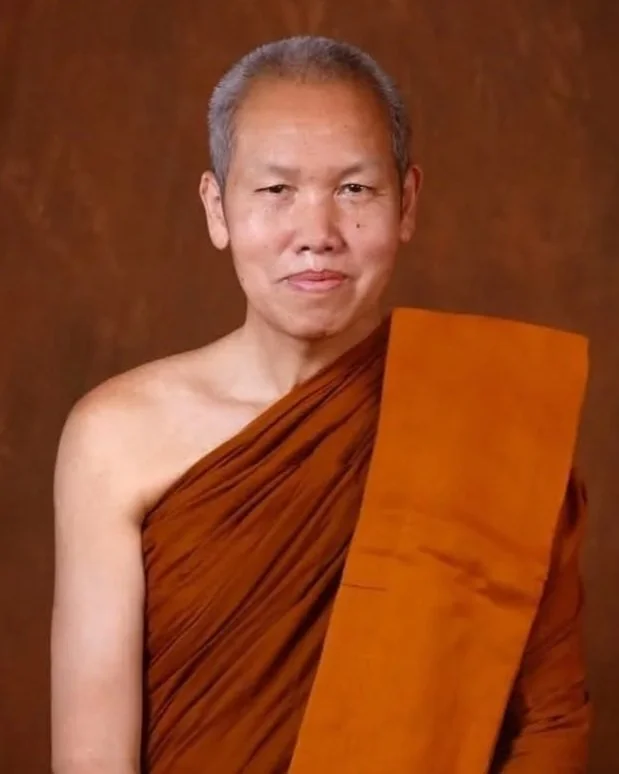
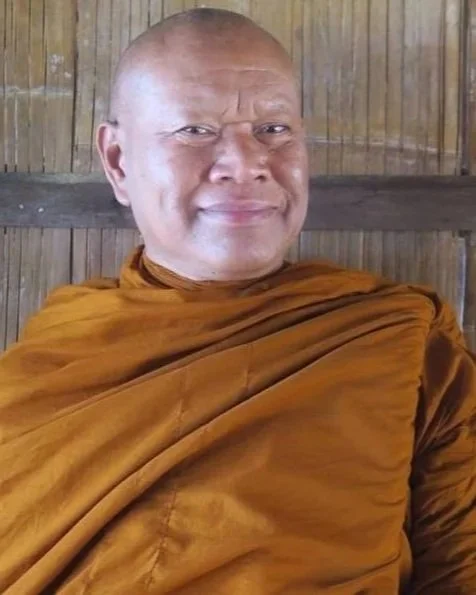
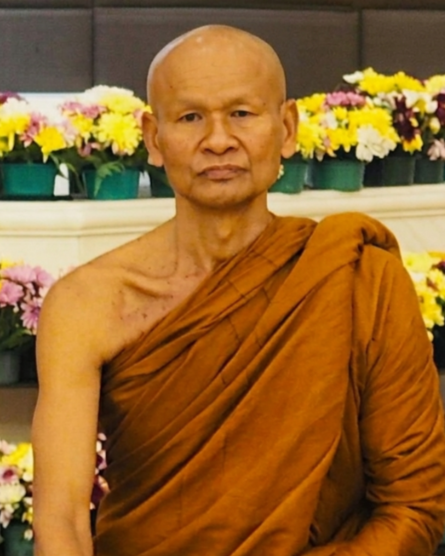
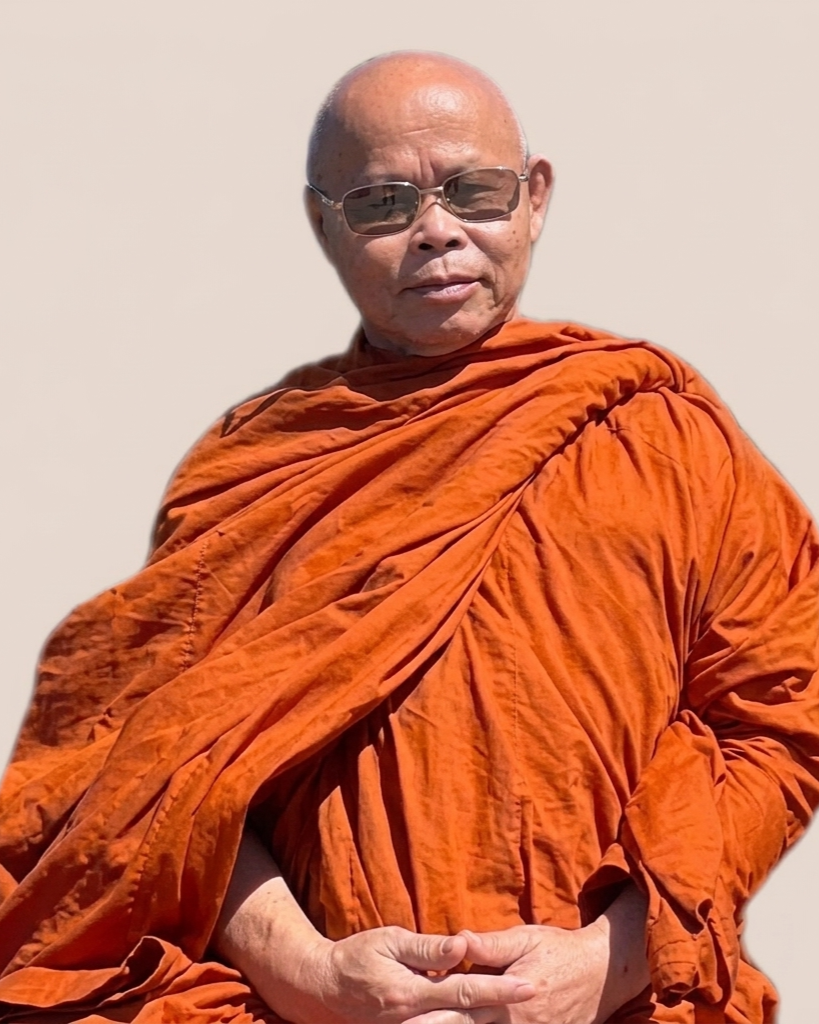
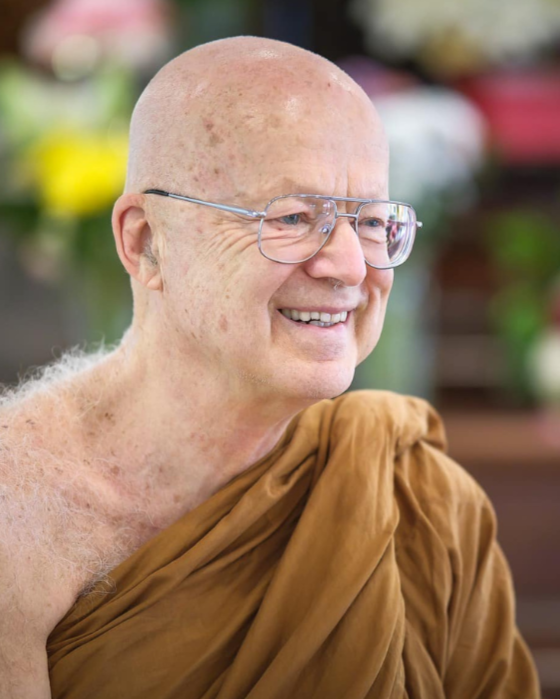
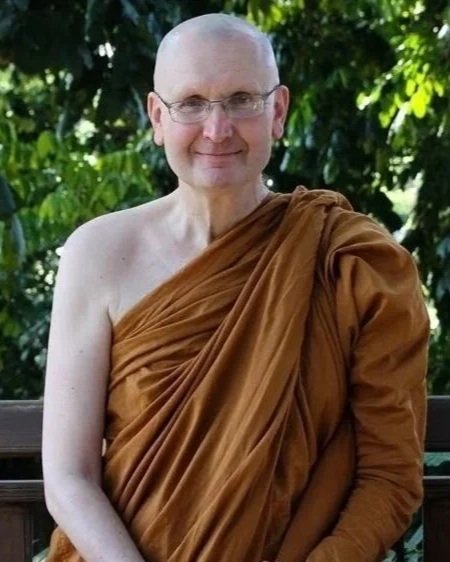
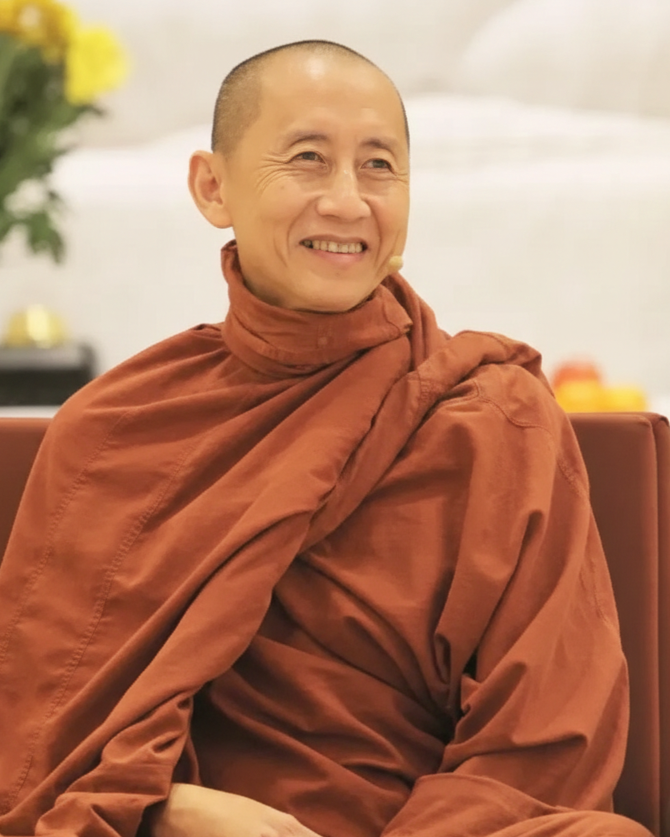
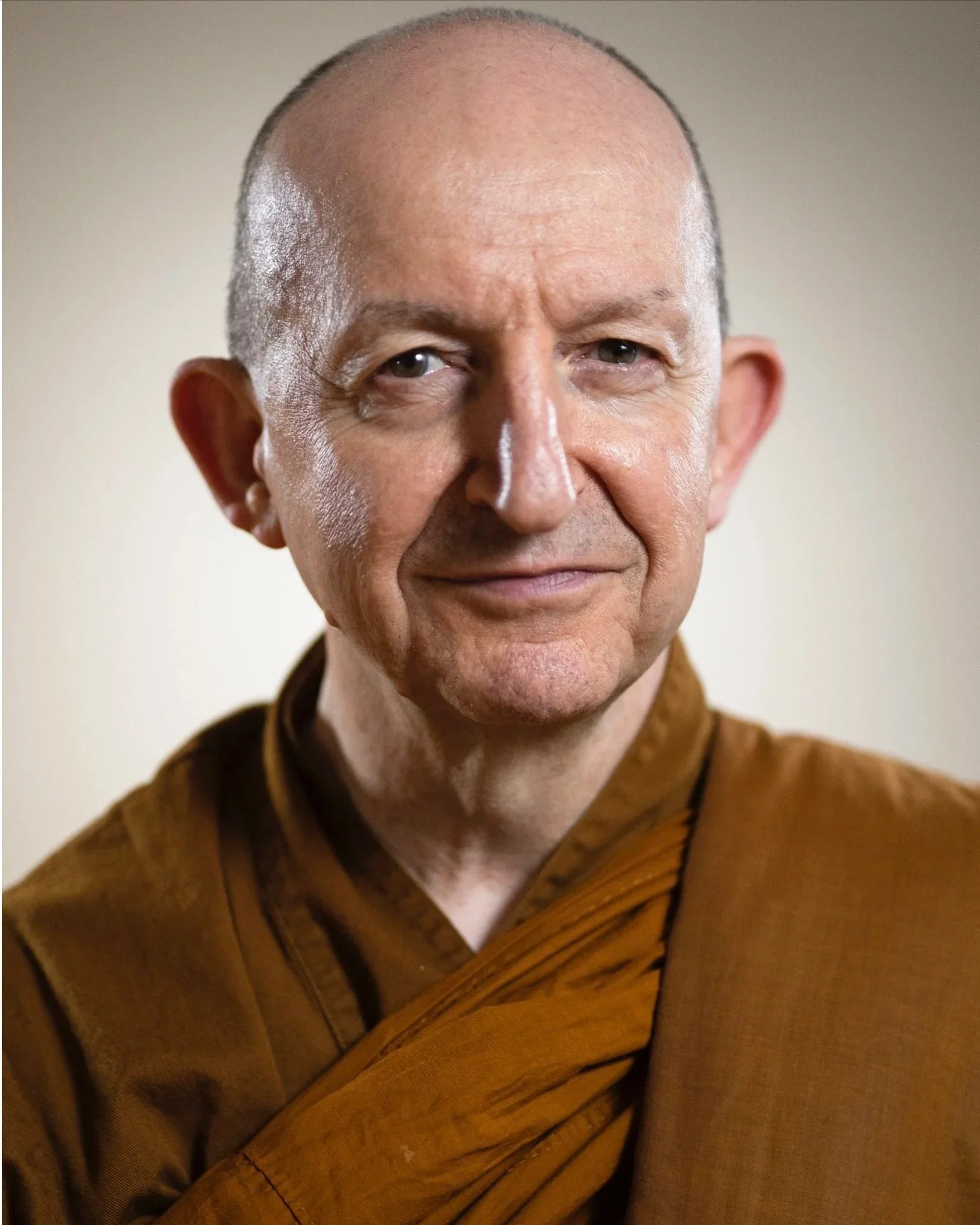
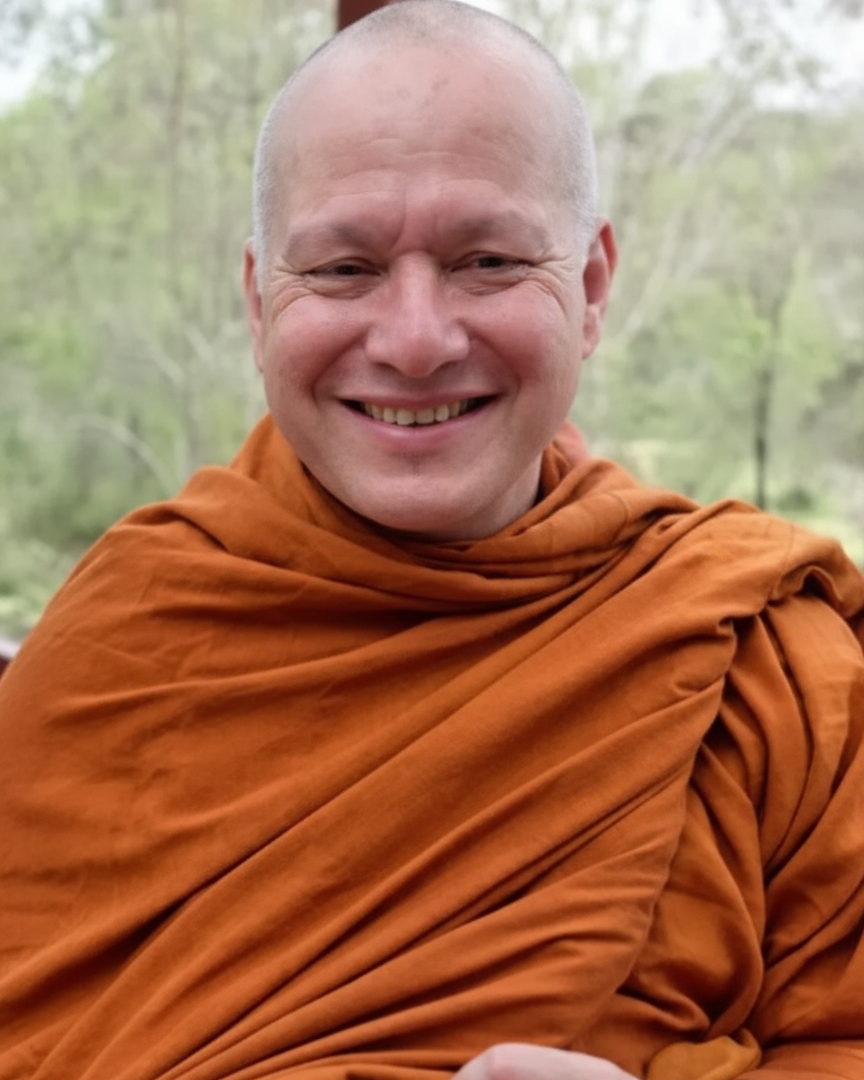
Luang Por Vajiro

Introduction

Luang Por Vajiro is a senior Western-trained monastic in the lineage of Ajahn Chah. Born in Malaysia, he was one of the early pioneers who helped establish the Thai Forest Tradition in Europe and the Southern Hemisphere. With over four decades of monastic life, he is highly regarded for his gentle nature, deep patience, and his dedication to the "Vinaya" (monastic discipline) as a foundation for mental liberation.

Early Life and Meeting the Masters

Born in Malaysia in 1953, Luang Por Vajiro's spiritual journey took a definitive turn while he was living in England in the late 1970s. In 1977, at the Hampstead Vihara in London, he encountered two legendary figures: Ajahn Chah and Ajahn Sumedho.

Inspired by their presence and the clarity of their teachings, he joined the fledgling monastic community in London in 1978, during the very early days of the Forest Sangha's establishment in the West.

Ordination and Training in Thailand

In 1979, Luang Por Vajiro traveled to Thailand to immerse himself in the traditional forest lifestyle at Wat Pah Nanachat (the International Forest Monastery). In 1980, he received full Upasampadā (Bhikkhu ordination) directly from Ajahn Chah at Wat Nong Pah Pong.

Training under Ajahn Chah during the master's final active years provided Luang Por with a profound grounding in the "Kammaṭṭhāna" (meditation) tradition, emphasizing mindfulness in all activities and the development of a resilient, peaceful heart.

Building the Global Sangha

Luang Por Vajiro has been a key figure in the "Monastery-building" phase of the Forest Tradition across several continents:

  • United Kingdom (1984–1990s): He returned to England to assist with the foundational years of Amaravati Buddhist Monastery, helping to transform the site into the major training center it is today.

  • New Zealand & Australia: He spent significant periods supporting the growth of the Sangha in the Southern Hemisphere, contributing to the stability of the communities at Bodhinyanarama (NZ) and various Australian branch monasteries.

  • The Return to Amaravati (2001): He returned to the UK and remained a pillar of the Amaravati community for nearly two decades, serving as a mentor to many junior monastics.

Establishing Sumedharama in Portugal

In more recent years, Luang Por Vajiro accepted the challenge of establishing a monastic presence in Southern Europe. He was invited to lead a group of practitioners in Portugal, which led to the birth of Sumedharama Buddhist Monastery (named in honour of Ajahn Sumedho).

As the senior monk and spiritual guide of Sumedharama, he has overseen the growth of this first forest monastery in Portugal, creating a space where the Dhamma can flourish in a new cultural context.

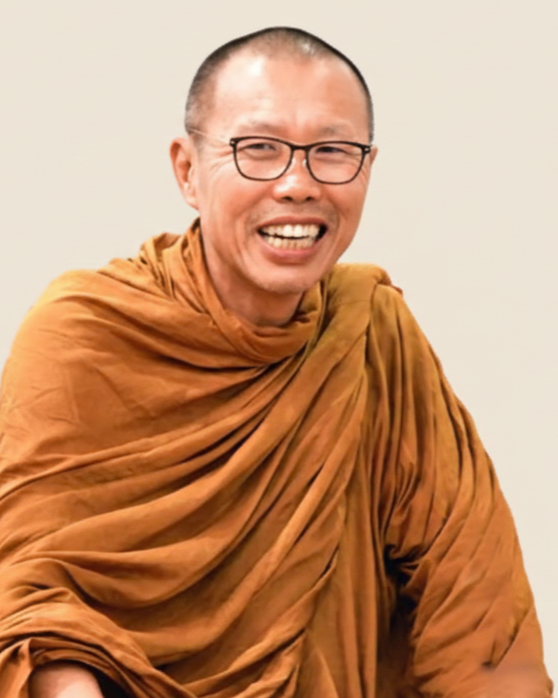
Ven. Ajahn Jayasaro

Introduction

Ajahn Jayasaro is one of the most respected senior Western disciples of the legendary meditation master Ajahn Chah. Known for his profound clarity, gentle wit, and ability to translate deep Dhamma into practical wisdom for modern life, he has spent over four decades as a monastic in the Thai Forest Tradition.

Early Life and Path to the Robe

Born Shaun Michael Chiverton on the Isle of Wight, England, in 1958, Ajahn Jayasaro’s spiritual search began in his teenage years. At the age of 16, he embarked on a journey through India, seeking a way of life aligned with his personal principles. After returning to England, he discovered the teachings of the Thai Forest Tradition through Ajahn Sumedho.

In 1978, he joined Ajahn Sumedho's community as an anagarika (monastic trainee) before travelling to Thailand later that year. He took full ordination as a Bhikkhu at Wat Nong Pah Pong in 1980, with Ajahn Chah serving as his preceptor.

Leadership at Wat Pah Nanachat

After years of rigorous training and solitary retreat, Ajahn Jayasaro served as the Abbot of Wat Pah Nanachat (the International Forest Monastery) from 1997 to 2002. During his tenure, he guided monastics from across the globe, upholding the strict standards of discipline and meditation established by Ajahn Chah.

Stillness Flowing: Preserving the Legacy

Ajahn Jayasaro is widely recognized as the official biographer of Ajahn Chah. He spent over twenty years researching and writing "Stillness Flowing," the definitive 800-page biography that captures the life, teachings, and spirit of his teacher. This work is considered a masterpiece of contemporary Buddhist literature, offering a rare, intimate window into the Thai Forest Tradition.

Contributions to Buddhist Education

A passionate advocate for "Buddhism as an education system," Ajahn Jayasaro has been a key figure in integrating Buddhist developmental principles into the Thai school system. He serves as the spiritual advisor for the Panyaprateep Foundation and several schools, emphasising the cultivation of Sila (virtue), Samadhi (inner stillness), and Panna (wisdom) as the foundation for a meaningful life.

Royal Recognition and Citizenship

In recognition of his significant contributions to Thai society and the propagation of the Dhamma, Ajahn Jayasaro was granted Thai citizenship by royal decree in 2020. He has received several high-ranking royal monastic titles from His Majesty King Maha Vajiralongkorn, most recently being honoured with the title Phra Phrompacharayanmuni in 2024.

Current Life

Today, Ajahn Jayasaro resides in a solitary hermitage at the foot of Khao Yai National Park. While he maintains a life of quiet practice, he continues to offer Dhamma teachings to both monastics and laypeople through retreats, books, and digital media, bridging the gap between ancient forest wisdom and the challenges of the 21st century.

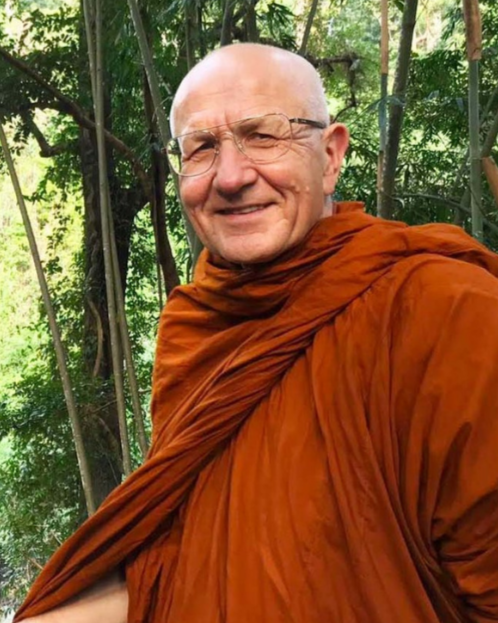
Luang Por Sucitto

Born in London in 1949, Luang Por Sucitto entered monastic life in Thailand in 1975. He took bhikku ordination there in 1976 and returned to Britain in 1978 to train under Luang Por Sumedho in the lineage of the Thai Forest master, Luang Por Chah.In 1979, Luang Por Sucitto was part of the group of monks that established Cittaviveka, Chithurst Buddhist Monastery in West Sussex, UK.  Luang Por was abbot of Cittaviveka from 1992 till 2014.  Presently, LP travels on teaching engagements throughout the world.

Ven. Ajahn Ṭhānissaro

Introduction

Ajahn Ṭhānissaro (Geoffrey DeGraff) is a highly respected senior monk and one of the most prolific English translators of the Buddha’s original discourses. A student of the great Thai masters, he is widely known for his ability to synthesize rigorous scholarship with the practical, "heart-centered" meditation instructions of the Forest Tradition. His life's work has been dedicated to making the Pali Canon and the teachings of the Thai Forest masters accessible to a global audience.

The Journey to the Forest

Born in 1949 and raised in the United States, Ajahn Ṭhānissaro’s interest in Buddhism was sparked during his college years. After graduating from Oberlin College in 1971 with a degree in European Intellectual History, he traveled to Thailand on a fellowship.

In Thailand, he met Ajahn Fuang Jotiko, a direct disciple of the legendary Ajahn Lee Dhammadharo. Finding in Ajahn Fuang a teacher of immense skill and down-to-earth wisdom, he eventually decided to dedicate his life to the monastic path. He was ordained in 1976 and spent the next decade as Ajahn Fuang's close student and attendant at Wat Dhammasathit.

Bridging East and West

Following the passing of Ajahn Fuang in 1986, Ajahn Ṭhānissaro remained in Thailand for several years. In 1991, at the invitation of Ajahn Suwat Suvaco, he moved to the hills of San Diego County, California, to help establish Metta Forest Monastery (Wat Mettavanaram).

Since 1993, he has served as the Abbot of Metta Forest Monastery, where he has cultivated a sanctuary that preserves the strict discipline and intensive meditation focus of the Thai Forest Tradition on American soil. In 1995, he became the first American-born monk to be given the authority of a Preceptor (Upajjhaya) in the Dhammayut Order.

A Legacy of Translation and Teaching

Ajahn Ṭhānissaro is perhaps best known for his immense contribution to Buddhist literature. His work is characterized by "Dhamma Dana"—the principle that the Dhamma should be shared freely. His major achievements include:

  • The Pali Canon: Translating over 1,000 suttas from the original Pali into clear, modern English. His translations form a significant portion of the Access to Insight and Dhammatalks.org archives.

  • The Thai Forest Masters: Translating the teachings of masters like Ajahn Lee, Ajahn Fuang, and Ajahn Dune, preserving their unique "oral tradition" for English speakers.

  • Authoritative Treatises: Writing influential books such as The Wings to Awakening, The Buddhist Monastic Code, and With Each & Every Breath (a comprehensive meditation manual).

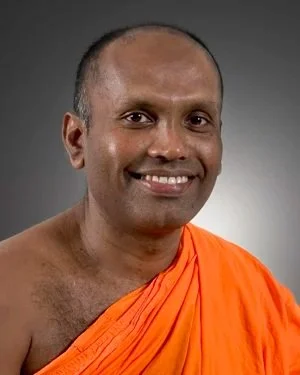
Ven. B. Sri Saranankara Nāyaka Māhathero

Introduction

Most Venerable B. Sri Saranankara Nāyaka Māhathero is a towering figure in the Malaysian Buddhist landscape. Since his arrival from Sri Lanka over 40 years ago, he has dedicated his life to spiritual guidance, social welfare, and the promotion of a compassionate Buddhist identity in Malaysia. Known for his "Dhamma in Action" approach, he has touched the lives of thousands through his extensive humanitarian projects and his role as a spiritual advisor to numerous societies.

Early Life and Mission to Malaysia

Born in Sri Lanka, Venerable Sri Saranankara embarked on his monastic journey with a deep commitment to the Buddha’s path of service. In the early 1980s, he arrived in Malaysia to serve the spiritual needs of the local community. What began as a mission to support a small temple in Sentul evolved into a nationwide movement of Dhamma propagation and social service.

Building a Spiritual Sanctuary: Sentul Sri Lanka Buddhist Temple

Under his visionary leadership as Abbot, the Sri Lanka Buddhist Temple in Sentul was transformed from a modest temple into a vibrant center for Buddhist practice. Today, it stands as a significant monastery with a resident Sangha, providing:

  • Daily Religious Services: Catering to the spiritual needs of the diverse Buddhist community in Kuala Lumpur.

  • Monastic Training: Serving as a hub for resident Bhikkhus to practice and study.

  • Cultural Hub: Promoting the rich traditions of Sri Lankan and Malaysian Theravada Buddhism.

The Architect of Compassion: Maha Karuna

Venerable Sri Saranankara is perhaps most widely recognized for founding the Maha Karuna Buddhist Society. His philosophy centers on the idea that spiritual practice must be coupled with compassion for the less fortunate. Key milestones of his compassionate work include:

  • Social Welfare: Establishing the Upekkha Compassionate Home for the elderly and underprivileged.

  • Healthcare Initiatives: Spearheading mobile clinics and medical camps locally and internationally.

  • Education: Providing scholarships and school supplies to children in rural areas through various "Back to School" programs.

Leadership and Spiritual Guidance

Beyond Sentul, Venerable has been instrumental in the birth and growth of several prominent Buddhist societies in Malaysia, including:

  • Kinrara Metta Buddhist Society (KMBS)

  • Mudita Buddhist Society

  • Sungai Long Buddhist Society

His wisdom is sought after by many; he serves as a Spiritual Advisor to dozens of Buddhist organizations across both Malaysia and Sri Lanka, fostering unity and collaboration within the Theravada Buddhist Council of Malaysia (TBCM).

Ecclesiastical Honors

In recognition of his tireless service and contributions to the "Sasana" (the Buddhist dispensation) in Malaysia, Venerable has received high-ranking honours from the Sangha in Sri Lanka:

  • 2008: Conferred the prestigious ecclesiastical title of "Adhikarana Sangha Nayaka" (Chief Judiciary High Monk) of Malaysia by the Malwatte Chapter of the Syamupali Nikāya in Kandy, Sri Lanka.

  • 2012: Appointed as a Monastic Advisor to the Theravada Buddhist Council of Malaysia.

Luang Por Viradhammo

Introduction

Luang Por Viradhammo is a senior monastic in the Thai Forest Tradition and the most senior Western-born monk of this lineage currently residing in North America. A direct disciple of the legendary Ajahn Chah, his monastic career spans over 50 years. He is widely respected for his deep understanding of the Dhamma, his skill in guiding meditation, and his pioneering role in establishing forest monasteries in the West.

Early Life and Meeting the Path

Born in Germany to Latvian parents, Luang Por Viradhammo eventually emigrated to Toronto, Canada. His spiritual search began in the early 1970s while he was working as a teacher in West Africa. This journey eventually led him to India and then to Thailand, where he encountered the life and teachings of the forest monastics.

Training under Ajahn Chah

In 1974, he received full ordination as a Bhikkhu from Ajahn Chah at Wat Nong Pah Pong. As one of the earliest Westerners to arrive in the Ubon province of Northeast Thailand, he was a founding resident of Wat Pah Nanachat (The International Forest Monastery), established by Ajahn Chah specifically to train Western disciples in the traditional Thai forest way.

A Global Pioneer of the Forest Sangha

Luang Por Viradhammo has spent much of his monastic life at the forefront of the "Forest Sangha" expansion. His leadership has been instrumental in founding and guiding monasteries across three continents:

  • United Kingdom: He assisted Ajahn Sumedho in the early years of Chithurst (Cittaviveka) and Amaravati Buddhist Monasteries.

  • New Zealand: In 1985, he was invited to Wellington to establish Bodhinyanarama Buddhist Monastery, where he served as Abbot for many years, helping the tradition take root in the Southern Hemisphere.

  • Canada: Returning to his home country, he founded Tisarana Buddhist Monastery in Perth, Ontario. As the Abbot, he continues to guide a thriving community of monastics and lay practitioners.


Sunday Dhamma Talk by Luang Por Viradhammo on 22 Dec 2024

Luang Por Karuniko

Introduction

Luang Por Karuniko is a senior monastic in the Thai Forest Tradition with over 40 years of experience in the robes. A direct disciple of Ajahn Sumedho, he has been a foundational pillar in the establishment of the Forest Sangha in the West. Known for his technical precision, humility, and steady wisdom, he currently serves as the Abbot of Cittaviveka, the first forest monastery established in the UK.

From Engineering to Enlightenment

Born Christopher John Woodfine in 1953 near Manchester, England, Luang Por Karuniko’s early life was focused on the sciences. He graduated from Sheffield University in 1975 with an honours degree in Electronics Engineering.

His professional career as an engineer in North London was short-lived, however, as a chance encounter with a Buddhist book in 1976 sparked a profound shift in his perspective. Two years later, he met Ajahn Sumedho at the Hampstead Vihara. This meeting was a turning point; the clarity of the Forest Tradition’s teachings resonated with his logical mind and spiritual aspirations, leading him to move toward a life of renunciation.

Monastic Training and Ordination

Luang Por Karuniko began his formal training at the very beginning of the Forest Sangha's move to the English countryside:

  • 1982: Entered the community at Cittaviveka (Chithurst Buddhist Monastery) as an Anagarika (eight-precept postulant).

  • July 1984: Received full Bhikkhu (monk) ordination from Ajahn Sumedho.

A Global Builder of Sangha

For much of his monastic life, Luang Por Karuniko has been an "architect" of the tradition, not just spiritually, but practically. His background in engineering proved invaluable as he helped establish and develop several monasteries:

  • The UK Monasteries: He was instrumental in the physical and communal development of the British branches, including Cittaviveka and Amaravati.

  • New Zealand: He spent significant time assisting the growth of Bodhinyanarama Monastery in Wellington, helping to solidify the tradition in the Southern Hemisphere.

Leadership at Cittaviveka

In a "full circle" journey, Luang Por Karuniko returned to where his training began to serve as the Abbot of Cittaviveka. Under his guidance, Chithurst continues to serve as a rigorous training ground for monastics and a sanctuary of silence for the thousands of laypeople who visit annually.

His leadership is characterized by a "lead-by-example" approach, upholding the high standards of discipline and simplicity that Ajahn Chah first transmitted to the West.


Sunday Dhamma Talk by Luang Por Karuniko on 1 Dec 2024

Āyasmā Aggacitta

Introduction

Āyasmā Aggacitta is one of Malaysia’s most prominent and respected senior monastics. A monk of profound intellectual depth and meditative experience, he is known for his "critically constructive" approach to the Dhamma. Rather than simply following tradition, he has dedicated his life to investigating the Pali scriptures alongside real-life experience to provide practitioners with a Dhamma that is authentic, practical, and grounded in reality.

Ordination and Burmese Training

Born in Malaysia, Āyasmā Aggacitta received his higher ordination in 1979 in Yangon, Myanmar. He had the rare privilege of having the legendary Bhaddanta Mahāsi Sayādaw as his preceptor.

His formative years as a monk were spent in intensive training under some of the most illustrious meditation masters of the 20th century:

  • Sayadaw U Paṇḍita: Intensive Vipassana (insight) meditation.

  • Sayadaw U Tissara: Traditional monastic discipline and practice.

  • Sayadaw U Āciṇṇa (Pa-Auk Sayadaw): Deep concentration (Samatha) and insight.

  • Sayadaw U Tejaniya: Mindfulness of the mind and wisdom in daily life.

The Sarawak Solitary Retreat (1994–1998)

In 1994, seeking to deepen his personal realization, Āyasmā Aggacitta withdrew from public life to undergo a four-year solitary meditation retreat in the jungles of Sarawak. This period of deep silence and introspection was a turning point, allowing him to integrate his Burmese training with a direct, unmediated observation of the mind and nature.

A Researcher of the Dhamma

Upon his return to West Malaysia in 1998, Āyasmā Aggacitta began a significant phase of Dhamma investigation. He is uniquely distinguished by his willingness to question popular interpretations of Buddhism. By cross-referencing:

  1. Original Pali Scriptures (The Suttas and Vinaya)

  2. Real-life meditative experiences

  3. Contemporary research findings

He has developed a teaching style that strips away cultural superstitions to reveal the core, practical essence of the Buddha’s path.

Founding Sāsānarakkha Buddhist Sanctuary (SBS)

In the year 2000, he founded Sāsānarakkha Buddhist Sanctuary (SBS) in Taiping, Perak. Set amidst the secluded hills of a former rubber plantation, SBS was established with a specific vision: to provide a supportive environment for the training of Malaysian monastics in the Dhamma-Vinaya. Under his guidance, SBS has grown into a premier center for both monk training and lay education.

National Leadership and Recognition

Recognizing his wisdom and commitment to the Malaysian Buddhist community, the Theravada Buddhist Council of Malaysia (TBCM) invited him to serve on its Monastic Advisory Panel in 2012. He continues to be a guiding light for Buddhist organizations across the country, advocating for a Dhamma that is relevant to modern society without losing its ancient roots.

Luang Por Amaro

Introduction

Luang Por Amaro (Jeremy Horner) is a highly respected senior monastic in the Thai Forest Tradition. He is a direct disciple of the legendary Ajahn Chah and has spent over four decades as a monk, bridging the spiritual landscapes of the East and the West. Known for his keen intellect, accessible teaching style, and gentle humor, Luang Por Amaro has been a pivotal figure in the establishment of the Forest Sangha in both the United Kingdom and the United States. In recent years, he has been honored with high ecclesiastical titles by the Thai Royal Family for his contributions to the Dhamma.

Early Life and Spiritual Search

Born in Kent, England, in 1956, Luang Por Amaro pursued a degree in Psychology and Physiology at the University of London. After graduating, his search for spiritual truth led him to travel through Asia. In 1977, he found himself in Northeast Thailand at Wat Pah Nanachat, the international forest monastery founded by Ajahn Chah for Western disciples. The profound impact of Ajahn Chah’s presence and teachings led him to renounce his worldly career and ordain as a bhikkhu in 1979.

Establishing the Dhamma in the West

Shortly after his ordination, Luang Por Amaro returned to England to assist Luang Por Sumedho in establishing Chithurst Buddhist Monastery (Cittaviveka). His early years were marked by a commitment to the traditional forest life, including a notable 830-mile Tudong (monastic trek) on foot from Chithurst to Harnham Vihara in Northumberland.

In the 1990s, his teaching journeys took him to California, where he helped found Abhayagiri Buddhist Monastery in 1996. He served as the Co-Abbot of Abhayagiri alongside Luang Por Pasanno for 14 years, creating a vibrant center for practice in the Redwood Valley.

Leadership at Amaravati

In 2010, Luang Por Amaro returned to England to assume the role of Abbot at Amaravati Buddhist Monastery. Under his guidance, Amaravati has flourished as a major center for both monastic training and lay practice. He continues to lead a large community of monks and nuns while hosting thousands of visitors and retreatants annually.

Royal Ecclesiastical Titles

In recognition of his tireless service to the Sasana and his role in spreading the Buddha's teachings globally, Luang Por Amaro has received several prestigious titles from the King of Thailand:

  • 2015: Conferred the title Chao Khun with the name Phra Videsabuddhiguna.

  • 2019: Elevated to the higher rank of Chao Khun Rāja with the name Phra Rājabuddhivaraguṇa.

Luang Por Kalyano

Introduction

Luang Por Kalyano is a senior Western disciple in the lineage of the renowned meditation master Ajahn Chah. With over 40 years of monastic experience, he is a pivotal figure in the global expansion of the Thai Forest Tradition. As the founding abbot of Buddha Bodhivana Monastery in Australia, he is widely respected for his unwavering commitment to the monastic code (Vinaya) and his ability to guide lay practitioners toward inner peace through the development of "Stillness and Wisdom."

Early Life and Path to the Robe

Born Daniel Jones in London in 1962, Luang Por Kalyano’s spiritual quest began during his youth. While a student at Bristol University, he encountered the Buddha’s teachings and felt a deep resonance with the Path of Dhamma.

Following the completion of his degree, his search led him to Thailand, where he sought a life dedicated entirely to meditation and renunciation. In 1985, he received full ordination as a Bhikkhu at Wat Nong Pah Pong, the mother monastery of Ajahn Chah’s lineage.

Deep Roots: Training with Ajahn Anan

A defining feature of Luang Por Kalyano’s monastic life is his long and close association with Venerable Ajahn Anan Akiñcano. Ajahn Anan is celebrated as one of Ajahn Chah’s most accomplished meditation disciples, known for his profound mastery of Samadhi (concentration).

Luang Por Kalyano spent many years training under Ajahn Anan at Wat Marp Jan in Thailand. This rigorous apprenticeship provided him with a direct transmission of the forest tradition's values: endurance, meticulousness in practice, and a heart grounded in deep meditative absorption.

Establishing the Forest Tradition in Australia

In the year 2000, Luang Por Kalyano was invited by the Buddhist community in Australia to help establish a forest monastery that would uphold the standards of the Ajahn Chah lineage. This led to the founding of Buddha Bodhivana Monastery in East Warburton, a secluded forest area near Melbourne.

Under his leadership, Buddha Bodhivana has grown from a humble patch of forest into a flourishing center for monastic training. Today, it serves as a vital sanctuary for both local and international monastics, and as a spiritual hub for lay practitioners in the Melbourne region and beyond.

Luang Por Nyanadhammo

Introduction

Most Venerable Luang Por Nyanadhammo is a highly esteemed senior monk in the Thai Forest Tradition and a direct disciple of the legendary Ajahn Chah. With nearly 50 years in the robes, he is recognized for his profound mastery of the Dhamma, his skill in meditation, and his fluent command of the Thai language, which has allowed him to bridge the gap between Eastern forest wisdom and Western practitioners. He currently serves as the Abbot of Wat Ratanawan, a secluded forest monastery located at the edge of Khao Yai National Park.

From Biology to the Buddha's Path

Born in Adelaide, Australia, in 1955, Luang Por Nyanadhammo's spiritual journey began during his university years while studying biology. His scientific inquiry into the nature of life eventually led him to the Buddha’s teachings. Inspired by what he read, he traveled to Thailand in 1978 to seek a more authentic way of living.

He received his novice ordination at Wat Bowon Niwet Wiharn in Bangkok from Somdet Phra Nyanasamvara (the late Supreme Patriarch of Thailand). In 1979, at the age of 24, he received full Bhikkhu ordination from Ajahn Chah at Wat Nong Pah Pong, becoming part of the historic first generation of Westerners to train in the heart of the Northeast Thai jungles.

The Life of a Jungle Monk

Following his ordination, Luang Por spent many years as a wandering monk (Tudong). He traveled to the most remote corners of Thailand, staying in secluded caves and mountaintop monasteries to refine his meditation practice. During this period, he sought out and studied under many of the great living forest masters of the time, absorbing the "Standard" of the Forest Tradition—a lifestyle of relentless mindfulness, simplicity, and endurance.

Leadership and Service

Luang Por Nyanadhammo has held several significant leadership roles within the Ajahn Chah lineage:

  • Australia (1994–2002): Served as the Deputy Abbot to Ajahn Brahm at Bodhinyana Monastery, where he was instrumental in supporting the growing Australian Sangha.

  • Wat Pah Nanachat (2002–2007): He returned to Thailand to serve as the Abbot of the International Forest Monastery, guiding a diverse community of monks from all over the world.

  • Wat Ratanawan (2007–Present): He was invited to lead Wat Ratanawan in Korat province. Under his guidance, the monastery has become a renowned sanctuary for serious practice, known for its strict adherence to the forest way and its deep natural silence.

Luang Por Dtun

Introduction

Luang Por Dtun is widely considered one of the most significant living meditation masters in Thailand today. A direct disciple of the legendary Ajahn Chah, he is revered for his impeccable conduct (Sila), his profound meditative insights, and a remarkably gentle demeanor that masks a powerful and unwavering dedication to the Dhamma. His life and teachings serve as a beacon for both monastics and laypeople seeking the path to inner liberation.

Early Life and Renunciation

Born in 1955 in the historic province of Ayutthaya, Luang Por Dtun was raised in the bustling environment of Bangkok. Despite his urban upbringing and his success in academia—completing a Bachelor’s Degree in Economics—he felt a powerful pull toward the spiritual life from a young age.

In his mid-twenties, he chose to leave behind a promising worldly career to seek the truth of the Buddha’s teachings. He traveled to Northeast Thailand to ordain at Wat Nong Pah Pong, where he was accepted as a disciple by Ajahn Chah, who served as his preceptor.

A Reputation for Excellence

Even during his early years as a junior monk, Luang Por Dtun’s practice was a subject of quiet awe among his peers. He was noted for his extraordinary diligence, often spending entire nights in walking and sitting meditation. His fellow monks frequently remarked on the distinct aura of calm and clarity that surrounded him, a testament to his deep concentration and purity of heart.

Under Ajahn Chah’s guidance, he mastered the fundamentals of the forest tradition, emphasizing the integration of strict monastic discipline with the constant investigation of the mind.

Establishing Wat Boonyawad

After years of intensive practice in the remote forests of Thailand, Luang Por Dtun was eventually invited to lead a small hermitage in Chonburi. Under his compassionate leadership, this humble site evolved into Wat Boonyawad, now one of the most prominent and respected training monasteries in the country.

Today, Wat Boonyawad is home to approximately fifty monks. Despite the monastery's size, Luang Por Dtun maintains a rigorous standard of practice, ensuring that the environment remains dedicated to silence, meditation, and the authentic forest lifestyle established by his teacher.

Luang Por Anan Akiñcano

Introduction

Luang Por Anan Akiñcano is widely regarded as one of the most accomplished meditation masters in the contemporary Thai Forest Tradition. A close personal disciple of the legendary Ajahn Chah, Luang Por Anan is revered for his profound mastery of Samadhi (concentration) and his ability to explain deep meditative states with clarity and simplicity. As the founding Abbot of Wat Marp Jan, he provides spiritual guidance to hundreds of monastics and thousands of lay practitioners globally.

Early Training and Service to Ajahn Chah

Luang Por Anan entered the monastic life in 1975, ordaining at Wat Nong Pah Pong under the tutelage of Ajahn Chah. Recognizing his potential and sincere dedication, he was chosen to serve as Ajahn Chah’s personal attendant.

For four years, Luang Por Anan lived in close proximity to his teacher, learning not only through formal meditation but through the observation of Ajahn Chah’s daily conduct. This period of "training through service" allowed him to develop a deep, intuitive understanding of the Dhamma and a resilient heart.

The Path of a Forest Ascetic

Following his years of service, Luang Por Anan sought the solitude of the wilderness to deepen his insight. He spent years as a wandering monk (Tudong), seeking out remote and often hazardous locations to test his mental strength.

In 1984, his journey led him to a dense, uninhabited forest in Rayong Province. Here, he established what would become Wat Marp Jan (The Monastery of the Moon Mountain). The early years were defined by extreme hardship; Luang Por lived in a simple bamboo hut and survived multiple life-threatening bouts of malaria. These near-death experiences served only to sharpen his focus on the impermanence of life and the urgency of practice.

A Master of Stillness and Wisdom

As Luang Por Anan’s reputation for profound inner peace grew, so did the community around him. He is specifically noted for his mastery of the Jhanas (deep meditative absorptions) and his emphasis on using a stable, still mind to investigate the nature of reality.

Today, he oversees an extensive network of practitioners:

  • Wat Marp Jan: A premier training center for both Thai and Western monastics.

  • Branch Monasteries: He is responsible for over ten branch monasteries and the spiritual welfare of more than 100 monks.

  • International Reach: He is a frequent guest teacher in Malaysia, Singapore, and Australia, where his teachings on "developing the heart" resonate with urban practitioners.

Ven. Sujiva

Introduction

Venerable Sujiva is a globally recognized Malaysian Theravadin monk and a pioneer of Vipassana meditation in the region. With a teaching career spanning over four decades, he has been instrumental in making the rigorous meditation techniques of the Burmese forest tradition accessible to both Asian and Western practitioners. Known for his systematic approach and deep expertise in the Abhidhamma, Ven. Sujiva has guided thousands of meditators toward a deeper understanding of the mind-body process.

Academic Background and Ordination

Born in Malaysia, Ven. Sujiva’s early path was one of academic excellence. He graduated with honors from the University of Malaya in 1975, earning a Bachelor of Agricultural Science. However, his interest soon shifted from the cultivation of the land to the cultivation of the heart.

Shortly after his graduation, he felt the call of the monastic life and took full ordination in the Theravada tradition. He dedicated his early years to intensive study and practice, seeking to bridge the gap between ancient scriptural wisdom and practical experience.

Apprenticeship under the Masters

To refine his meditative insight, Ven. Sujiva traveled extensively, learning from various masters in Malaysia, Thailand, and Myanmar (Burma). His most influential training took place under the guidance of Venerable Sayadaw U Paṇḍitābhivaṃsa, the world-renowned successor to Mahasi Sayadaw at the Mahasi Buddhist Meditation Centre in Yangon.

Under Sayadaw U Paṇḍitā’s rigorous supervision, Ven. Sujiva mastered the meticulous "Mahasi" style of noting and insight, a practice characterized by continuous mindfulness of the present moment.

Establishing a Haven for Practice: Santisukharama

In 1984, Ven. Sujiva founded the Santisukharama Hermitage in Kota Tinggi, Johor. This center became a cornerstone for the Malaysian Buddhist community, serving as a dedicated space for long-term intensive meditation retreats. For over a decade, he conducted countless retreats at the hermitage and throughout Malaysia, fostering a generation of practitioners grounded in Sati (mindfulness).

A Global Teacher

Recognizing a growing thirst for the Dhamma in the West, Ven. Sujiva began teaching internationally in 1995. His clear English instructions and structured teaching style made him highly sought after. Since then, he has conducted retreats in:

  • Oceania: Australia and New Zealand.

  • Europe: Germany, Italy, Switzerland, and the United Kingdom.

  • The Americas: The United States and Brazil.

  • Asia: Hong Kong and Singapore.

Luang Por Tiradhammo

Introduction

Luang Por Tiradhammo is among the most senior Western monastics in the lineage of Ajahn Chah. With a monastic career spanning over 50 years, he has played a foundational role in establishing the Forest Sangha across three continents: Europe, Australasia, and Asia. Known for his calm, steady presence and deep meditative insight, Luang Por is a "monk of the world," currently traveling globally to share the Dhamma with a focus on practical mindfulness and the wisdom of the forest masters.

Early Seeking and Ordination

Luang Por’s spiritual journey began in his student years during a period of travel through Sri Lanka, where he first encountered the Buddha's teachings. This spark led him to Thailand, where he began meditating at the historic Wat Umong in Chiang Mai.

In 1974, he took full ordination at Wat Meung Man with Venerable Tong. Shortly after, in 1975, he moved to Northeast Thailand to train under the legendary Ajahn Chah at Wat Nong Pah Pong and was among the early residents of Wat Pah Nanachat (the International Forest Monastery).

The Life of a Forest Wanderer

During his formative years in Thailand, Luang Por Tiradhammo embraced the Tudong life. He undertook several arduous journeys on foot through the rugged mountains of Chiang Mai and the plains of the Northeast. These travels allowed him to seek out and learn from many of the most famous forest meditation masters of the era, refining his practice in the crucible of nature and seclusion.

Pioneering the Dhamma in the West

In 1982, Luang Por was invited to the United Kingdom to assist Luang Por Sumedho with the burgeoning Western Sangha. His leadership was quickly recognized, leading to several key appointments:

  • England (1982–1987): Served at Chithurst Monastery (Cittaviveka) and led Harnham Vihara in Northumberland.

  • Switzerland (1988–2005): He was instrumental in establishing Dhammapala Monastery near Bern and later oversaw its move to the Alpine village of Kandersteg, serving as the senior monk for nearly two decades.

  • New Zealand (2005–2012): He assumed the abbotship of Bodhinyanarama in Wellington, providing stability and guidance to the community in the Southern Hemisphere.

A Traveling Teacher

Since 2012, Luang Por Tiradhammo has lived as a "monk of no fixed abode," embodying the ancient tradition of the wandering teacher. He travels extensively throughout Asia, Europe, and North America, conducting meditation retreats and giving Dhamma talks.

His teachings are deeply influenced by his years of solitary practice and his interactions with the great masters of the 20th century. He is a frequent and beloved visitor to Malaysia and Singapore, where he is known for his ability to relate the profound truths of the Forest Tradition to the challenges of modern urban life.