Visiting Monastic

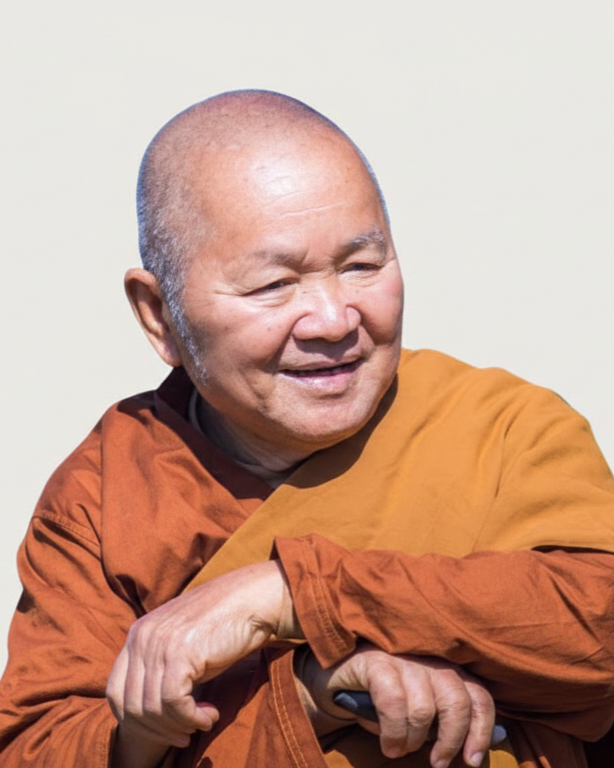
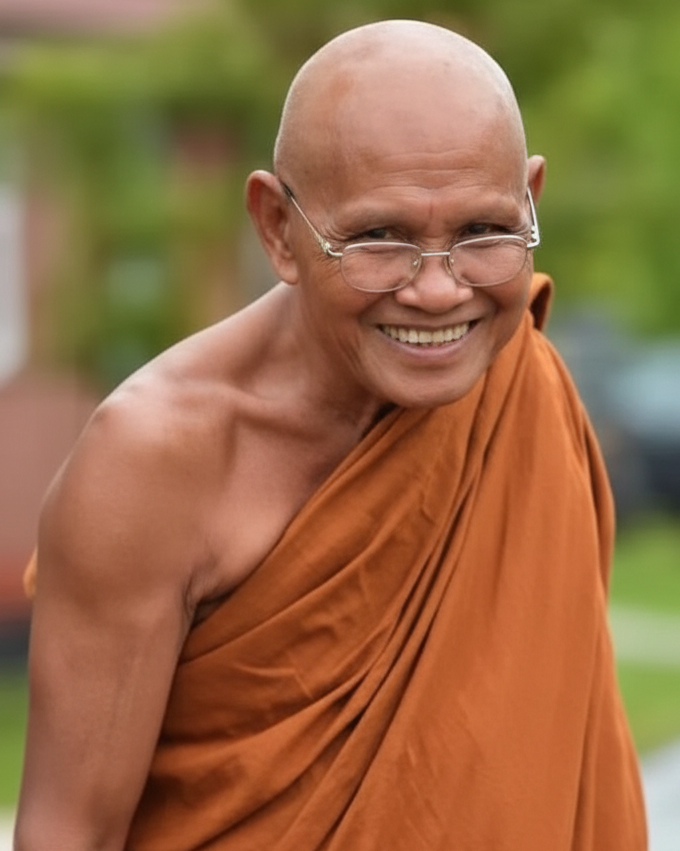
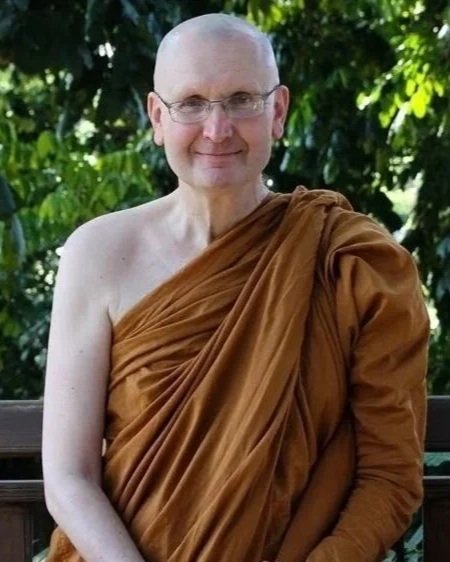
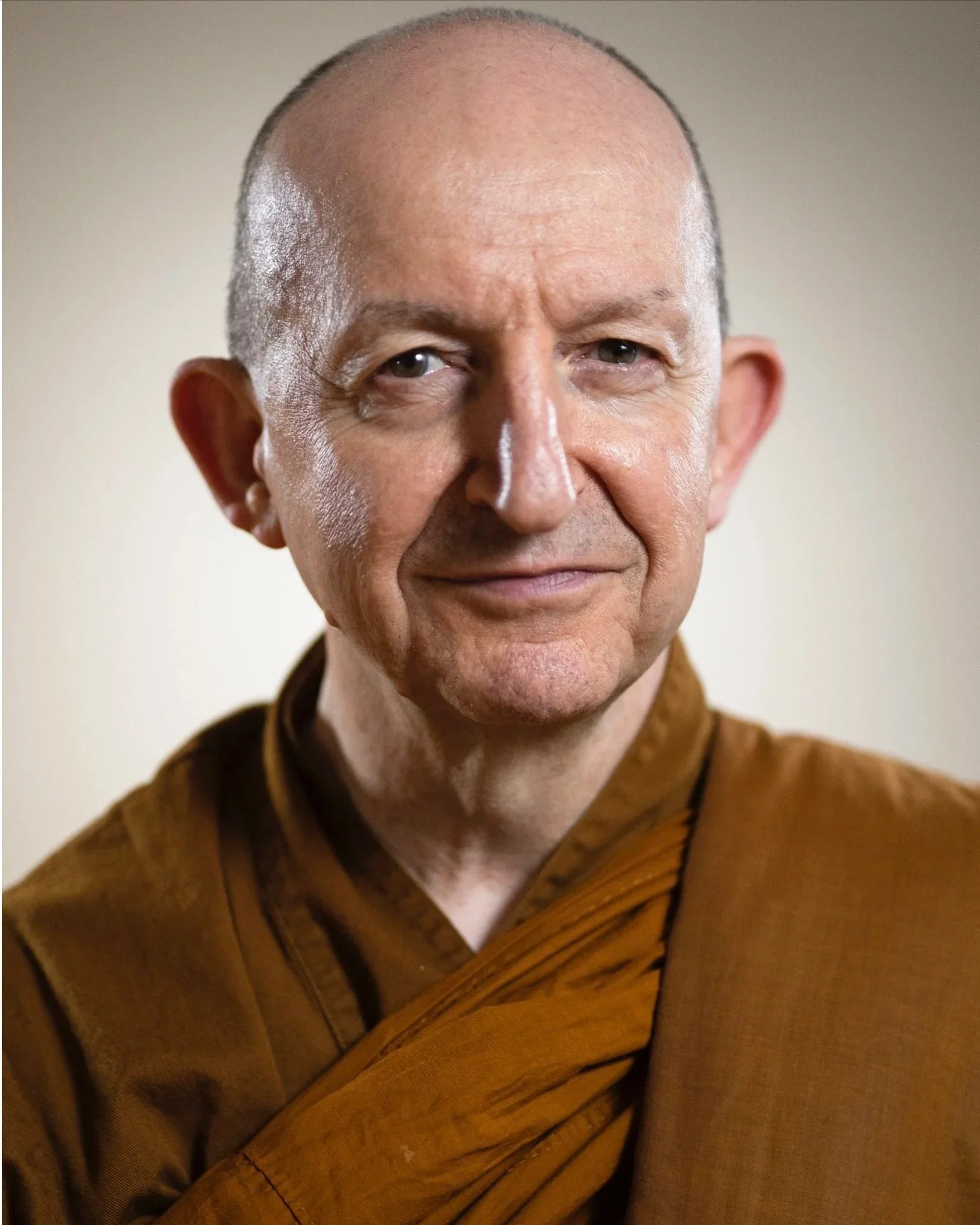
Luang Por Karuniko

Introduction

Luang Por Karuniko is a senior monastic in the Thai Forest Tradition with over 40 years of experience in the robes. A direct disciple of Ajahn Sumedho, he has been a foundational pillar in the establishment of the Forest Sangha in the West. Known for his technical precision, humility, and steady wisdom, he currently serves as the Abbot of Cittaviveka, the first forest monastery established in the UK.

From Engineering to Enlightenment

Born Christopher John Woodfine in 1953 near Manchester, England, Luang Por Karuniko’s early life was focused on the sciences. He graduated from Sheffield University in 1975 with an honours degree in Electronics Engineering.

His professional career as an engineer in North London was short-lived, however, as a chance encounter with a Buddhist book in 1976 sparked a profound shift in his perspective. Two years later, he met Ajahn Sumedho at the Hampstead Vihara. This meeting was a turning point; the clarity of the Forest Tradition’s teachings resonated with his logical mind and spiritual aspirations, leading him to move toward a life of renunciation.

Monastic Training and Ordination

Luang Por Karuniko began his formal training at the very beginning of the Forest Sangha's move to the English countryside:

  • 1982: Entered the community at Cittaviveka (Chithurst Buddhist Monastery) as an Anagarika (eight-precept postulant).

  • July 1984: Received full Bhikkhu (monk) ordination from Ajahn Sumedho.

A Global Builder of Sangha

For much of his monastic life, Luang Por Karuniko has been an "architect" of the tradition, not just spiritually, but practically. His background in engineering proved invaluable as he helped establish and develop several monasteries:

  • The UK Monasteries: He was instrumental in the physical and communal development of the British branches, including Cittaviveka and Amaravati.

  • New Zealand: He spent significant time assisting the growth of Bodhinyanarama Monastery in Wellington, helping to solidify the tradition in the Southern Hemisphere.

Leadership at Cittaviveka

In a "full circle" journey, Luang Por Karuniko returned to where his training began to serve as the Abbot of Cittaviveka. Under his guidance, Chithurst continues to serve as a rigorous training ground for monastics and a sanctuary of silence for the thousands of laypeople who visit annually.

His leadership is characterized by a "lead-by-example" approach, upholding the high standards of discipline and simplicity that Ajahn Chah first transmitted to the West.

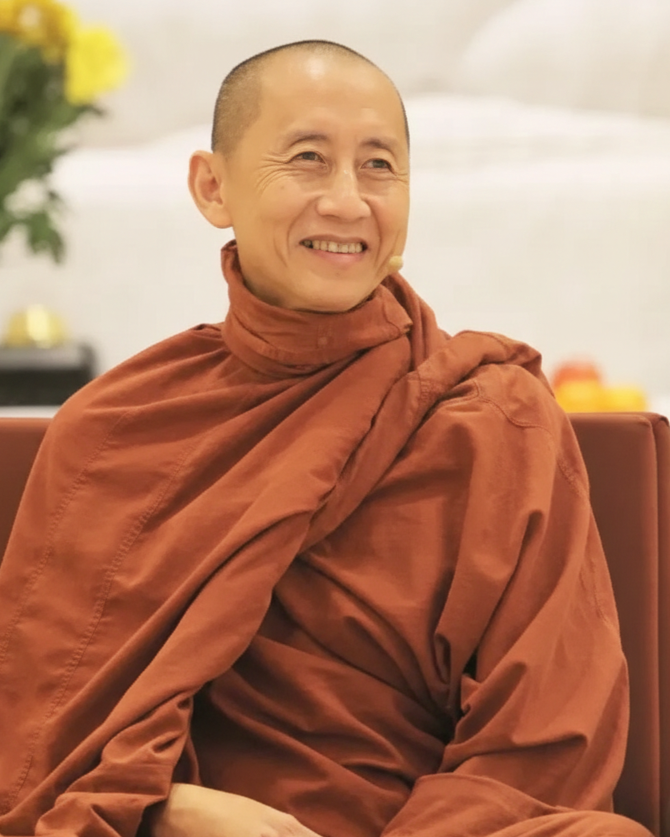
Sunday Dhamma Talk by Luang Por Karuniko on 1 Dec 2024

Ven. U Maṅgala

Introduction

Venerable U Maṅgala is a highly respected Malaysian meditation teacher and a senior disciple of the world-renowned meditation master, Most Venerable Pa-Auk Sayadawgyi. Known for his systematic teaching style and deep dedication to the Samatha-Vipassana practice, he has been instrumental in establishing several meditation hermitages across Asia. As a Malaysian-born monk, he possesses the unique ability to bridge traditional Burmese monastic training with the cultural context of local and international lay practitioners.

Academic Background and Ordination

Born in Malacca in 1968, Ven. U Maṅgala pursued a secular career in law, graduating from the Law Faculty of the University of Malaya. However, his search for a more profound truth led him to the monastic life.

In 1996, he received full ordination under Ven. Pa-Auk Sayadawgyi in Myanmar. He spent the next decade in intensive practice, immersing himself in the detailed meditation manual of the Visuddhimagga (Path of Purification) under the close supervision of his teacher.

Training and Appointment at Pa-Auk

Ven. U Maṅgala’s aptitude for the practice and his clear understanding of the Dhamma led to his appointment as a meditation teacher at the main Pa-Auk Forest Monastery in Mawlamyine, Myanmar, in 2006. In this role, he guided both local and international monastics and laypeople through the rigorous stages of concentration and insight meditation.

Establishing the Tusita and Dhamma Earth Network

In 2008, Ven. U Maṅgala returned to Malaysia to share the fruits of his training. With the support of the Malaysia Dhamma Society, he founded Tusita Hermitage in Kuching, Sarawak. His vision for a dedicated space for intensive practice led to the rapid expansion of the Tusita Saṅgha Council, which now oversees centers in:

  • Malaysia: Kuching, Malacca, Penang, and Taiping.

  • International: The Nepal Himalayas and Taiwan.

In 2016, he established Dhamma Earth (Tusita Dhamma Earth) in Semenyih, Selangor. This center has become a major hub for Dhamma education, youth programs, and intensive retreats in Peninsular Malaysia.

Āyasmā Aggacitta

Introduction

Āyasmā Aggacitta is one of Malaysia’s most prominent and respected senior monastics. A monk of profound intellectual depth and meditative experience, he is known for his "critically constructive" approach to the Dhamma. Rather than simply following tradition, he has dedicated his life to investigating the Pali scriptures alongside real-life experience to provide practitioners with a Dhamma that is authentic, practical, and grounded in reality.

Ordination and Burmese Training

Born in Malaysia, Āyasmā Aggacitta received his higher ordination in 1979 in Yangon, Myanmar. He had the rare privilege of having the legendary Bhaddanta Mahāsi Sayādaw as his preceptor.

His formative years as a monk were spent in intensive training under some of the most illustrious meditation masters of the 20th century:

  • Sayadaw U Paṇḍita: Intensive Vipassana (insight) meditation.

  • Sayadaw U Tissara: Traditional monastic discipline and practice.

  • Sayadaw U Āciṇṇa (Pa-Auk Sayadaw): Deep concentration (Samatha) and insight.

  • Sayadaw U Tejaniya: Mindfulness of the mind and wisdom in daily life.

The Sarawak Solitary Retreat (1994–1998)

In 1994, seeking to deepen his personal realization, Āyasmā Aggacitta withdrew from public life to undergo a four-year solitary meditation retreat in the jungles of Sarawak. This period of deep silence and introspection was a turning point, allowing him to integrate his Burmese training with a direct, unmediated observation of the mind and nature.

A Researcher of the Dhamma

Upon his return to West Malaysia in 1998, Āyasmā Aggacitta began a significant phase of Dhamma investigation. He is uniquely distinguished by his willingness to question popular interpretations of Buddhism. By cross-referencing:

  1. Original Pali Scriptures (The Suttas and Vinaya)

  2. Real-life meditative experiences

  3. Contemporary research findings

He has developed a teaching style that strips away cultural superstitions to reveal the core, practical essence of the Buddha’s path.

Founding Sāsānarakkha Buddhist Sanctuary (SBS)

In the year 2000, he founded Sāsānarakkha Buddhist Sanctuary (SBS) in Taiping, Perak. Set amidst the secluded hills of a former rubber plantation, SBS was established with a specific vision: to provide a supportive environment for the training of Malaysian monastics in the Dhamma-Vinaya. Under his guidance, SBS has grown into a premier center for both monk training and lay education.

National Leadership and Recognition

Recognizing his wisdom and commitment to the Malaysian Buddhist community, the Theravada Buddhist Council of Malaysia (TBCM) invited him to serve on its Monastic Advisory Panel in 2012. He continues to be a guiding light for Buddhist organizations across the country, advocating for a Dhamma that is relevant to modern society without losing its ancient roots.

Luang Por Amaro

Introduction

Luang Por Amaro (Jeremy Horner) is a highly respected senior monastic in the Thai Forest Tradition. He is a direct disciple of the legendary Ajahn Chah and has spent over four decades as a monk, bridging the spiritual landscapes of the East and the West. Known for his keen intellect, accessible teaching style, and gentle humor, Luang Por Amaro has been a pivotal figure in the establishment of the Forest Sangha in both the United Kingdom and the United States. In recent years, he has been honored with high ecclesiastical titles by the Thai Royal Family for his contributions to the Dhamma.

Early Life and Spiritual Search

Born in Kent, England, in 1956, Luang Por Amaro pursued a degree in Psychology and Physiology at the University of London. After graduating, his search for spiritual truth led him to travel through Asia. In 1977, he found himself in Northeast Thailand at Wat Pah Nanachat, the international forest monastery founded by Ajahn Chah for Western disciples. The profound impact of Ajahn Chah’s presence and teachings led him to renounce his worldly career and ordain as a bhikkhu in 1979.

Establishing the Dhamma in the West

Shortly after his ordination, Luang Por Amaro returned to England to assist Luang Por Sumedho in establishing Chithurst Buddhist Monastery (Cittaviveka). His early years were marked by a commitment to the traditional forest life, including a notable 830-mile Tudong (monastic trek) on foot from Chithurst to Harnham Vihara in Northumberland.

In the 1990s, his teaching journeys took him to California, where he helped found Abhayagiri Buddhist Monastery in 1996. He served as the Co-Abbot of Abhayagiri alongside Luang Por Pasanno for 14 years, creating a vibrant center for practice in the Redwood Valley.

Leadership at Amaravati

In 2010, Luang Por Amaro returned to England to assume the role of Abbot at Amaravati Buddhist Monastery. Under his guidance, Amaravati has flourished as a major center for both monastic training and lay practice. He continues to lead a large community of monks and nuns while hosting thousands of visitors and retreatants annually.

Royal Ecclesiastical Titles

In recognition of his tireless service to the Sasana and his role in spreading the Buddha's teachings globally, Luang Por Amaro has received several prestigious titles from the King of Thailand:

  • 2015: Conferred the title Chao Khun with the name Phra Videsabuddhiguna.

  • 2019: Elevated to the higher rank of Chao Khun Rāja with the name Phra Rājabuddhivaraguṇa.

Luang Pu Somboon Kantasilo

Phrathepvatcharayanvetee, or Luang Pu Somboon Kantasilo, was born on December 9, 1940, in Nai Subdistrict, Khon Kaen Province, Thailand, to parents Mr. Sum and Mrs. Pang Somunjarn. At the age of 84, with 52 vassa/rains, he has devoted his life to spiritual practice, teaching, and community service.

Ordained on March 24, 1972, at Wat Srichan, Luang Pu Somboon Kantasilo's journey in the Buddhist monastic life began with studying Dhamma under the guidance of Phra Acharn Fun Acharo at Wat Pa Udomsomporn, Phanna Nikhom District, for 5 years. He later pursued further studies with Luang Pu Chob and embarked on a 12-year pilgrimage in the forests of Phu Ruea District.

In 1989, Luang Pu Somboon Kantasilo founded Wat Pa Somboontham, where he continues to serve as a spiritual leader and teacher. His dedication to improving the lives of others extends beyond spiritual guidance, as he actively engages in philanthropic endeavours such as the construction of Pak Chom Hospital in Pak Chom District, Loei Province.

Luang Pu Somboon Kantasilo's life and work embody the core values of Buddhism, demonstrating his commitment to the well-being of his community and fostering spiritual growth in those who seek his guidance. His legacy serves as an inspiration for monks and laypeople alike, illustrating the transformative power of selflessness, devotion, and compassion.

Tan Chao Khun Samai

Tan Chao Khun Mahā Samai Sukhasamiddho was born in Laos in 1943. After migration to Bangkok, he was ordained as novice in 1957. His full ordination took place in June 1963. During his time as young novice and young monk he completed his Dhamma studies at the advanced level and Pali Language at level 5. Before being admitted to study at the University level, he took another three years to do the secular studies. He was graduated from Mahamakut University in 1972. After taking one year course of training for Buddhist Missionary overseas, he was sent together with the most senior meditation teacher Luang Pu Boonyarith to Sydney to look after the newly established Buddhist center in 1974. 

As a reward for his long and good service to the Buddhist Community in Australia, Tan Chao Khun Samai has been given the new titles four times in the last 42 years. His current title is Phra Thepsilaporn.

Each time the new title has been conferred upon him by the King of Thailand on his birthday, the 5th of December.  Moreover, Mahamakut University has conferred upon him PhD Honorary Degree in May 2003 in acknowledging his long service in spreading Buddhism. 

Tan Chao Khun Samai assumed the position as the leader of the Dhammayutta Sangha in Australia and New Zealand in 1998. He currently serves as a spiritual advisor to the Dhammayutta Sangha Council, and is the Abbot of Wat Pa Buddharangsee in Leumeah, NSW.

Ven. Ajahn Jutindharo

Introduction

Ajahn Jutindharo is a highly respected senior monk within the Western Forest Sangha. Having ordained in the late 1980s, he belongs to the influential generation of monastics who helped solidify the Forest Tradition in the United Kingdom under the guidance of Luang Por Sumedho. Currently serving as the Abbot of Hartridge Buddhist Monastery, he is known for his calm, reflective teaching style and his ability to make the ancient wisdom of the Thai masters accessible to a modern, Western audience.

Early Life and Spiritual Search

Born and raised in Leeds, England, Ajahn Jutindharo’s spiritual path began during his university years. It was here that he first encountered the Buddha’s teachings and began exploring meditation as a tool for understanding the mind. This intellectual and practical curiosity eventually evolved into a profound life-calling.

In 1987, he made the life-altering decision to join the monastic community. He entered the Sangha during a pivotal time when the Forest Tradition was beginning to take deep root in British soil through monasteries like Amaravati and Cittaviveka (Chithurst).

Training and Development

Ajahn Jutindharo’s monastic training was primarily based in Britain, where he benefitted from the direct mentorship of the first-generation Western elders. His practice has been marked by:

  • The British Forest Way: Mastering the art of maintaining forest standards within a Western cultural context.

  • Asian Pilgrimage: Spending formative periods in Asia to connect with the roots of the tradition, visiting the great forest monasteries of Thailand to strengthen his link to the lineage of Ajahn Chah.

  • Internal Reflection: Developing a teaching style that emphasizes the "Internal Monastery"—the cultivation of a peaceful heart regardless of one's external environment.

Leadership at Hartridge Monastery

In 2007, Ajahn Jutindharo assumed the abbotship of Hartridge Buddhist Monastery in Devon. Nestled in the quiet countryside of Southwest England, Hartridge is a sanctuary dedicated to the practice of the Dhamma-Vinaya. Under his guidance, the monastery has flourished as a center for both monastic training and lay retreats.

Āyasmā Rāhula

Introduction

Āyasmā Rāhula is a dedicated practitioner and teacher who bridges the profound meditative traditions of Myanmar with a modern, scholarly understanding of the mind. Having lived and practised in Asia for over two decades, he brings a global perspective to the Dhamma. He is particularly recognized for his ability to translate the complex maps of the Abhidhamma (Buddhist Psychology) into practical "anatomy of the mind" courses that resonate with students across the world.

Monastic Training in Myanmar

Āyasmā Rāhula’s monastic foundation was forged in the heart of Myanmar, where he was ordained by the Most Venerable Sayadaw Dr. Nandamālābhivaṃsa, one of the world's leading authorities on Abhidhamma and Pali scholarship.

His training has been defined by two distinct yet complementary pillars:

  • Awareness Meditation: Since 2004, he has received personal meditation guidance from Sayadaw U Tejaniya at Shwe Oo Min Forest Center, focusing on the cultivation of continuous, relaxed awareness in daily life.

  • Scriptural Mastery: He studied the Suttas and Abhidhamma intensively under Sayadaw Dr. Ukkamsacara, gaining a deep technical understanding of the Buddha’s psychological framework.

Academic Excellence and Global Teaching

In 2019, Āyasmā Rāhula further deepened his intellectual grasp of the tradition by completing a course on Buddhist Scriptures at Harvard University. This combination of traditional forest practice and Western academic rigor allows him to present the Dhamma in a way that is both authentic and intellectually accessible.

He is well-known for his weekly online courses, "Anatomy of the Mind," which apply Abhidhamma principles to modern life. These sessions are conducted in both English and Spanish, reaching students in more than 15 countries and fostering a global community of practitioners.

Humanitarian Work and SBS Malaysia

Currently, Āyasmā Rāhula resides at the Sasanarakkha Buddhist Sanctuary (SBS) in Taiping, Malaysia, where he continues his training under the guidance of Ven. Ariyadhammika.

Despite his focus on practice, he maintains a strong commitment to social service in South America, where he:

  • Addiction Recovery: Assists in programs helping society members gain freedom from drug and alcohol addiction.

  • Educational Campaigns: Supports preventative education to empower the youth against substance abuse.

  • Propagating Dhamma: Continues to introduce the Buddha’s teachings to the Spanish-speaking world, where the Dhamma is still emerging.

Luang Por Kalyano

Introduction

Luang Por Kalyano is a senior Western disciple in the lineage of the renowned meditation master Ajahn Chah. With over 40 years of monastic experience, he is a pivotal figure in the global expansion of the Thai Forest Tradition. As the founding abbot of Buddha Bodhivana Monastery in Australia, he is widely respected for his unwavering commitment to the monastic code (Vinaya) and his ability to guide lay practitioners toward inner peace through the development of "Stillness and Wisdom."

Early Life and Path to the Robe

Born Daniel Jones in London in 1962, Luang Por Kalyano’s spiritual quest began during his youth. While a student at Bristol University, he encountered the Buddha’s teachings and felt a deep resonance with the Path of Dhamma.

Following the completion of his degree, his search led him to Thailand, where he sought a life dedicated entirely to meditation and renunciation. In 1985, he received full ordination as a Bhikkhu at Wat Nong Pah Pong, the mother monastery of Ajahn Chah’s lineage.

Deep Roots: Training with Ajahn Anan

A defining feature of Luang Por Kalyano’s monastic life is his long and close association with Venerable Ajahn Anan Akiñcano. Ajahn Anan is celebrated as one of Ajahn Chah’s most accomplished meditation disciples, known for his profound mastery of Samadhi (concentration).

Luang Por Kalyano spent many years training under Ajahn Anan at Wat Marp Jan in Thailand. This rigorous apprenticeship provided him with a direct transmission of the forest tradition's values: endurance, meticulousness in practice, and a heart grounded in deep meditative absorption.

Establishing the Forest Tradition in Australia

In the year 2000, Luang Por Kalyano was invited by the Buddhist community in Australia to help establish a forest monastery that would uphold the standards of the Ajahn Chah lineage. This led to the founding of Buddha Bodhivana Monastery in East Warburton, a secluded forest area near Melbourne.

Under his leadership, Buddha Bodhivana has grown from a humble patch of forest into a flourishing center for monastic training. Today, it serves as a vital sanctuary for both local and international monastics, and as a spiritual hub for lay practitioners in the Melbourne region and beyond.

Luang Por Nyanadhammo

Introduction

Most Venerable Luang Por Nyanadhammo is a highly esteemed senior monk in the Thai Forest Tradition and a direct disciple of the legendary Ajahn Chah. With nearly 50 years in the robes, he is recognized for his profound mastery of the Dhamma, his skill in meditation, and his fluent command of the Thai language, which has allowed him to bridge the gap between Eastern forest wisdom and Western practitioners. He currently serves as the Abbot of Wat Ratanawan, a secluded forest monastery located at the edge of Khao Yai National Park.

From Biology to the Buddha's Path

Born in Adelaide, Australia, in 1955, Luang Por Nyanadhammo's spiritual journey began during his university years while studying biology. His scientific inquiry into the nature of life eventually led him to the Buddha’s teachings. Inspired by what he read, he traveled to Thailand in 1978 to seek a more authentic way of living.

He received his novice ordination at Wat Bowon Niwet Wiharn in Bangkok from Somdet Phra Nyanasamvara (the late Supreme Patriarch of Thailand). In 1979, at the age of 24, he received full Bhikkhu ordination from Ajahn Chah at Wat Nong Pah Pong, becoming part of the historic first generation of Westerners to train in the heart of the Northeast Thai jungles.

The Life of a Jungle Monk

Following his ordination, Luang Por spent many years as a wandering monk (Tudong). He traveled to the most remote corners of Thailand, staying in secluded caves and mountaintop monasteries to refine his meditation practice. During this period, he sought out and studied under many of the great living forest masters of the time, absorbing the "Standard" of the Forest Tradition—a lifestyle of relentless mindfulness, simplicity, and endurance.

Leadership and Service

Luang Por Nyanadhammo has held several significant leadership roles within the Ajahn Chah lineage:

  • Australia (1994–2002): Served as the Deputy Abbot to Ajahn Brahm at Bodhinyana Monastery, where he was instrumental in supporting the growing Australian Sangha.

  • Wat Pah Nanachat (2002–2007): He returned to Thailand to serve as the Abbot of the International Forest Monastery, guiding a diverse community of monks from all over the world.

  • Wat Ratanawan (2007–Present): He was invited to lead Wat Ratanawan in Korat province. Under his guidance, the monastery has become a renowned sanctuary for serious practice, known for its strict adherence to the forest way and its deep natural silence.

Luang Por Dtun

Introduction

Luang Por Dtun is widely considered one of the most significant living meditation masters in Thailand today. A direct disciple of the legendary Ajahn Chah, he is revered for his impeccable conduct (Sila), his profound meditative insights, and a remarkably gentle demeanor that masks a powerful and unwavering dedication to the Dhamma. His life and teachings serve as a beacon for both monastics and laypeople seeking the path to inner liberation.

Early Life and Renunciation

Born in 1955 in the historic province of Ayutthaya, Luang Por Dtun was raised in the bustling environment of Bangkok. Despite his urban upbringing and his success in academia—completing a Bachelor’s Degree in Economics—he felt a powerful pull toward the spiritual life from a young age.

In his mid-twenties, he chose to leave behind a promising worldly career to seek the truth of the Buddha’s teachings. He traveled to Northeast Thailand to ordain at Wat Nong Pah Pong, where he was accepted as a disciple by Ajahn Chah, who served as his preceptor.

A Reputation for Excellence

Even during his early years as a junior monk, Luang Por Dtun’s practice was a subject of quiet awe among his peers. He was noted for his extraordinary diligence, often spending entire nights in walking and sitting meditation. His fellow monks frequently remarked on the distinct aura of calm and clarity that surrounded him, a testament to his deep concentration and purity of heart.

Under Ajahn Chah’s guidance, he mastered the fundamentals of the forest tradition, emphasizing the integration of strict monastic discipline with the constant investigation of the mind.

Establishing Wat Boonyawad

After years of intensive practice in the remote forests of Thailand, Luang Por Dtun was eventually invited to lead a small hermitage in Chonburi. Under his compassionate leadership, this humble site evolved into Wat Boonyawad, now one of the most prominent and respected training monasteries in the country.

Today, Wat Boonyawad is home to approximately fifty monks. Despite the monastery's size, Luang Por Dtun maintains a rigorous standard of practice, ensuring that the environment remains dedicated to silence, meditation, and the authentic forest lifestyle established by his teacher.

Ven. U Buddharakkhita

Introduction

Venerable U Buddharakkhita is a respected meditation teacher and a significant figure within the Tusita Hermitage community. Born in Penang, he transitioned into the monastic life after a successful lay career, driven by a profound experience in intensive meditation. Known for his clarity in teaching and his bilingual fluency in English and Mandarin, he serves as a vital bridge for practitioners seeking to master the intricate Samatha and Vipassana techniques of the Pa-Auk tradition.

The Call to Renunciation

The spiritual turning point for Venerable U Buddharakkhita occurred in 2008. While attending a short meditation retreat at Tusita Hermitage in Kuching, he was deeply moved by the teachings of Venerable U Maṅgala and the inspiring examples of the young, dedicated monastics there. This encounter sparked a decisive shift in his life’s direction, leading him to renounce the householder life.

In 2009, he received full ordination from the Most Venerable Pa-Auk Tawya Sayadaw, one of the world's foremost masters of meditation. Under the rigorous guidance of his mentor, Ven. U Maṅgala, he began his training in the "forest style" of the Pa-Auk lineage, which emphasizes deep concentration (Jhana) as a foundation for insight.

Service at Tusita Hermitage

Venerable U Buddharakkhita’s dedication and aptitude for the Dhamma led him to assume significant responsibilities within the Sangha. He currently serves as the Assistant Teacher to Venerable U Kañcana at Tusita Hermitage in Kuching.


Below is the recording of  1st session guided meditation by Ven. U Buddharakkhita on Thursday, 10 Aug 2017:

Audio Block
Double-click here to upload or link to a .mp3. Learn more

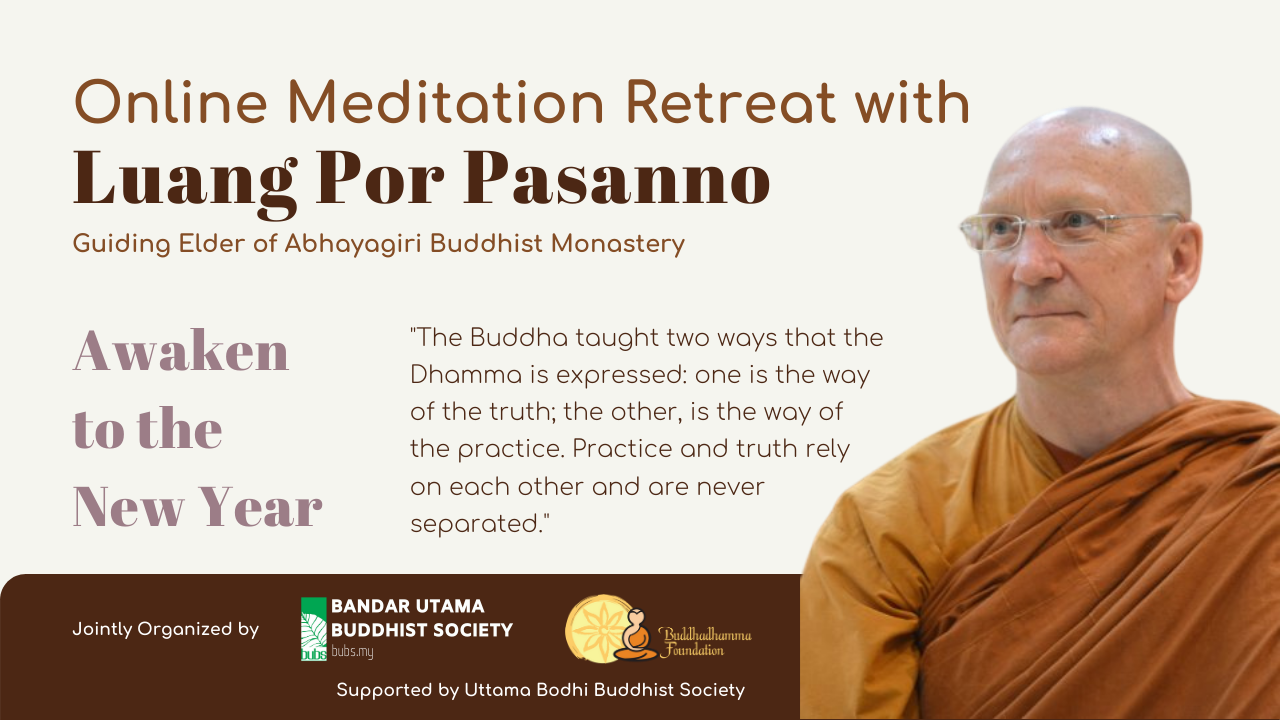
Luang Por Pasanno

Introduction

Luang Por Pasanno is a highly revered senior monastic in the Thai Forest Tradition of Ajahn Chah. With over 50 years of monastic experience, he is a primary figure in the establishment of the Forest Sangha in both Thailand and the West. Known for his profound calm and clear, practical Dhamma reflections, Luang Por Pasanno served as the Abbot of Wat Pah Nanachat for 15 years and later founded Abhayagiri Buddhist Monastery in California. In 2019, he was conferred the royal title of Chao Khun Phra Rajabodhivides by the King of Thailand in recognition of his significant contributions to the Dhamma.

Early Life and Training in Thailand

Born in Manitoba, Canada, Luang Por Pasanno’s spiritual search led him to Thailand in the early 1970s. He took full ordination as a Bhikkhu in 1974 at Wat Sahadhamma Katika in Phetchaburi.

During his first year as a monk, his preceptor took him to meet Ajahn Chah at Wat Nong Pah Pong. Deeply inspired by the master's presence, Luang Por Pasanno requested permission to stay and train within the community. He became one of the early residents of Wat Pah Nanachat (The International Forest Monastery), which was established specifically to accommodate the growing number of Westerners seeking monastic training in the forest tradition.

Leadership at Wat Pah Nanachat

In his ninth year of monastic life, Luang Por Pasanno was appointed the Abbot of Wat Pah Nanachat. Under his leadership, the monastery flourished and its reputation grew internationally as a center for authentic forest practice. During his 15-year incumbency, he oversaw the training of countless monastics and became a widely respected Dhamma teacher throughout Thailand, known for his fluency in the Thai language and his deep understanding of the forest lifestyle.

Establishing Abhayagiri in the West

After 24 years of living and practicing in Thailand, Luang Por Pasanno moved to California on New Year’s Eve of 1997. He joined Ajahn Amaro as Co-Abbot to establish Abhayagiri Buddhist Monastery in Redwood Valley. This was the first monastery in the United States to be established in the direct lineage of Ajahn Chah.

When Ajahn Amaro was invited to lead Amaravati Monastery in the UK in 2010, Luang Por Pasanno served as the sole Abbot of Abhayagiri for the next eight years, guiding the community through significant physical and spiritual growth.

Guiding Elder and Sabbaticals

In the spring of 2018, after more than four decades of continuous administrative and leadership duties, Luang Por Pasanno stepped back from the role of Abbot. He entered a year-long sabbatical, practicing in various forest monasteries abroad to deepen his own meditation.

Upon his return, he transitioned into the role of Guiding Elder (or Anchor of Wisdom). While the administrative leadership of Abhayagiri is now held by Ajahn Ñāṇiko, Luang Por Pasanno continues to reside at the monastery as a source of guidance, providing invaluable mentorship to the Sangha and the lay community.


Ven. Kai Zhao

Introduction

Venerable Khai Zhao is a compassionate pillar of the Malaysian Buddhist community, widely recognized for his fearless and dedicated service to those in society’s darkest corners. Born in Ipoh, Perak, he has spent over three decades in the robes, primarily known for his pioneering Dhamma work within the prison system. His teachings emphasize the transformative power of forgiveness and the possibility of finding inner freedom even within the walls of a prison cell.

Monastic Training and Education

Venerable Khai Zhao’s spiritual journey began in 1987 when he received his ordination under the Most Venerable Boon Kian at the Ang Hock Si Temple in Penang—the same temple where other notable Malaysian monks, such as Ajahn Cagino, began their paths.

Seeking a solid foundation in Buddhist philosophy, he enrolled in the Malaysia Buddhist College in Penang. Following his graduation, he did not seek a comfortable life in a large monastery but instead chose a path of intense social and spiritual service.

The Prison Ministry: A Voice for the Forgotten

In 1998, Venerable Khai Zhao began a mission that would define his monastic career: teaching the Dhamma in local prisons. He became one of the few monastics willing to provide spiritual counseling and guidance to death penalty inmates.

His work in the prison system focuses on:

  • The "Final Journey": Helping death row inmates find peace, repentance, and spiritual refuge in their final days.

  • Transformative Counseling: Guiding prisoners to understand the karmic consequences of their actions while showing them the path to mental liberation.

  • Expanding the Reach: Since 2006, he has expanded his mission beyond Malaysia, traveling abroad to share his experiences and establish prison Dhamma programs in other countries.

Luang Por Thoon

Introduction

Most Venerable Luang Por Thoon is one of the "Old Guard" disciples of the legendary Ajahn Chah. As one of the very first batch of monks to ordain and train at Wat Nong Pah Pong, he represents the root energy of the Forest Tradition. For over 55 years, he has lived a life of rigorous simplicity and deep meditative inquiry. He is particularly revered for his unwavering commitment to the original standards (Patipada) set by his teacher and for his role in establishing one of the earliest branch monasteries in the lineage.

Early Training: The First Generation

Luang Por Thoon’s monastic journey began at the very heart of the Ajahn Chah movement. He was among the pioneering group of disciples who helped build Wat Nong Pah Pong from a wild, malaria-ridden forest into a world-renowned center of practice.

He spent nine years in close proximity to Ajahn Chah, serving him personally and absorbing the Dhamma through the "osmosis" of daily life. This period was characterized by:

  • Severe Austerity: Practising with minimal requisites to break the mind's attachment to comfort.

  • Direct Instruction: Receiving personal guidance from Ajahn Chah during the formative years of the lineage.

  • Communal Labour: Learning that "work is practice," a hallmark of the Wat Nong Pah Pong style.

Abbot of Wat Pah Tam Seng (The 5th Branch)

Recognizing Luang Por Thoon's spiritual maturity and leadership capacity, Ajahn Chah appointed him to lead Wat Pah Tam Seng. Established 45 years ago, it holds a place of high honour as the 5th branch monastery of Wat Nong Pah Pong.

Under Luang Por Thoon’s guidance, Wat Pah Tam Seng has remained a sanctuary for those seeking the traditional "Forest Way." He has presided over the monastery for four decades, maintaining a stable and peaceful environment for generations of monks and laypeople.

Luang Por Anek Yasadinno

Introduction

Luang Por Anek Yasadinno is one of the most senior and deeply respected elders within the global community of the Ajahn Chah lineage. Known for his humility, craftsmanship, and profound dedication to the Dhamma, he has served as a pillar of the Thai Forest Tradition for over five decades. He is the founding abbot of Wat Pah Sai Ngam, a monastery renowned for its natural beauty and its role as a sanctuary for both spiritual practice and social compassion.

Early Life and Path to the Forest

Born in 1946 in the Det Udom District of Ubon Ratchathani, Thailand, Luang Por Anek’s spiritual journey began in his youth. In 1967, at the age of 21, he received full ordination as a Bhikkhu at his local village monastery.

Seeking a deeper and more rigorous practice, he moved to Wat Nong Pah Pong in 1968 to train under the direct tutelage of the legendary meditation master Luang Por Chah. During these formative years, he immersed himself in the "Forest Way"—a lifestyle centered on simplicity, endurance, and the constant cultivation of mindfulness in all postures.

Building Wat Pah Sai Ngam: The Temple of Banyan Trees

In 1973, after several years of intensive training, Luang Por Anek was entrusted by Luang Por Chah to establish a new branch monastery. He became the first abbot of Wat Pah Sai Ngam, a role he has held for over 50 years.

Luang Por Anek is uniquely recognized for his artistic and architectural vision. He personally oversaw the design and construction of the monastery, which is famous for:

  • The "Banyan Tree" Design: The monastery is integrated seamlessly with the surrounding forest, featuring unique structures built around giant banyan trees and natural rock formations.

  • Handcrafted Artistry: Many of the monastery’s Buddha images and statues were handcrafted by Luang Por Anek himself, reflecting his belief that work and craftsmanship are forms of meditation.

  • Open-Air Dhamma Hall: The monastery’s Sala (hall) is designed with an open-air concept, allowing the Sangha and laypeople to practice amidst the sounds and elements of nature.

Social Welfare and Compassion

Beyond his role as a meditation teacher, Luang Por Anek is a pioneer in integrating Buddhist principles with social welfare. Since 1991, he has established and led numerous community projects, including:

  • The Buffalo and Cow Welfare Fund: Rescuing animals and supporting sustainable rural livelihoods.

  • Sangha Medical Fund: Assisting with the healthcare needs of monastics in remote areas.

  • Community Compassion Funds: Providing financial and spiritual support to the underprivileged in the Ubon province.

Luang Por Piak

Luang Por Piak is one of Thailand’s most respected teachers of Dhamma and meditation. Born in 1948, Luang Por Piak’s  given name is Prasobchai but he was nicknamed ‘Piak’. As a child and young man Luang Por Piak did not have much interest in religion or meditation. It was when he was studying for his Masters in New York that Luang Por Piak began to develop an interest about the mind. When he returned to Thailand from New York for medical treatment, he spent some time in a monastery under the guidance of Luang Pu Boon Nah (disciple of  Luang Pu Kao Wang). He soon discovered he has a genuine affinity for the practice and decided to ordain as a monk for the annual 3-month rains retreat. One of his aunts advised him to visit three teachers: Luang Pu Kao, Luang Pu Fun and Luang Por Chah (all three being disciples of Luang Pu Mun). When Luang Por Piak met Luang Por Chah, he had a strong intuitive  sense that this was the right teacher for him. On  3rd July 1976, Venerable Piak received full Bhikkhu ordination from Luang Por Chah. Luang Por Piak is now the Abbot of Wat Pah Cittabhavana, Pathumthani, Thailand.

Luang Por Liem

Introduction

Most Venerable Luang Por Liem Ṭhitadhammo is the spiritual head of the worldwide Ajahn Chah lineage. As the chosen successor to Ajahn Chah, he carries the weight of maintaining the standards of the "Forest Tradition" for over 300 branch monasteries globally. He is a living embodiment of the Dhamma, revered for his profound simplicity, unwavering discipline (Vinaya), and a presence that radiates the "silent wisdom" characteristic of the great forest masters.

Early Life and The Call of the Forest

Born on November 5, 1941, in Sri Saket Province, Northeast Thailand, Luang Por Liem entered the monastic life at the age of twenty. While he spent his early years practising in village monasteries, his search for a deeper, more authentic practice led him to join the Forest Tradition in 1969.

It was during this time that he met Luang Pu Chah at Wat Nong Pah Pong. Under Luang Pu’s guidance, he found the rigorous training he was seeking—a lifestyle centered on endurance, mindfulness, and the total integration of Dhamma into every physical action.

The Chosen Successor

Luang Por Liem quickly became one of Ajahn Chah’s closest and most trusted disciples. His dedication to the community and his steady, reliable nature were evident to all. In 1982, when Ajahn Chah became severely ill and lost his ability to speak, the heavy responsibility of leading the community fell upon Luang Por Liem.

Recognizing his wisdom and administrative capacity, the Sangha of Wat Nong Pah Pong formally appointed him as the Abbot. For over 40 years, he has fulfilled this duty, serving as the "Steady Anchor" for the lineage during its period of massive international expansion.

Guardian of the Heritage

Luang Por Liem’s primary mission has been the preservation of the "Heritage of Wat Nong Pah Pong." This involves:

  • The Standard of Sila: Maintaining the strict monastic discipline that Ajahn Chah insisted upon.

  • Communal Harmony: Guiding a diverse, international Sangha of monks, nuns, and lay practitioners with a "cool heart" (Jai Yen).

  • Simplicity: Despite his high rank and global influence, Luang Por remains incredibly accessible, often found engaged in manual labour or sitting quietly in the forest, demonstrating that the highest Dhamma is found in the simplest acts.

Ven. Dhammavuddho Mahathera

Ven. Dhammavuddho Mahathera was the abbot of Vihara Buhhha Gotama. As a layman, he graduated from the University Malaya in 1971 and worked as an Electrical Engineer with the Public Works Department. In 1983, he went forth into the homeless life in the Mahayana tradition. Three years later, he was reordained in the Theravada tradition in Thailand. Thereafter, he spent about 10 years living the solitary lifestyle in quiet places.

He has written numerous booklets on Buddhism, e.g. Return to the Original Buddha's Teachings, Message of the Buddha, Buddhist Monk's Precepts, Liberation: Relevance of Sutta-Vinaya, Only We Can Help Ourselves, etc. His talks in English, Hokkien/Fujian, Cantonese, span the years 1988 - 2013. The 5 Nikayas in English, Hokkien Angguttara Nikaya, Samyutta Nikaya, Majjhima Nikaya; as well as other talks have been recorded in audio and video. In 1998 he established the Vihara Buddha Gotama, a 15-acre piece of land outside Temoh, Perak. In 2012, he consented to be on the Monastic Advisory Panel of the Theravāda Buddhist Council of Malaysia (TBCM).

Passing of Ven. Dhammavuddho Mahathera.png