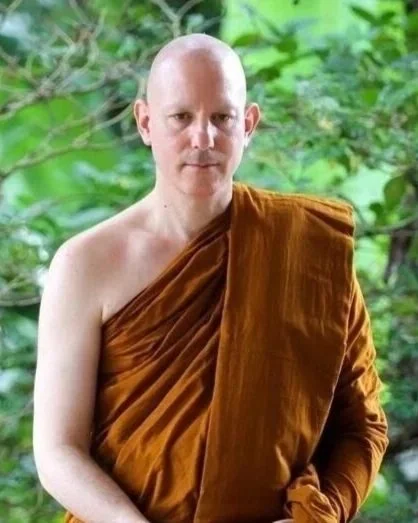
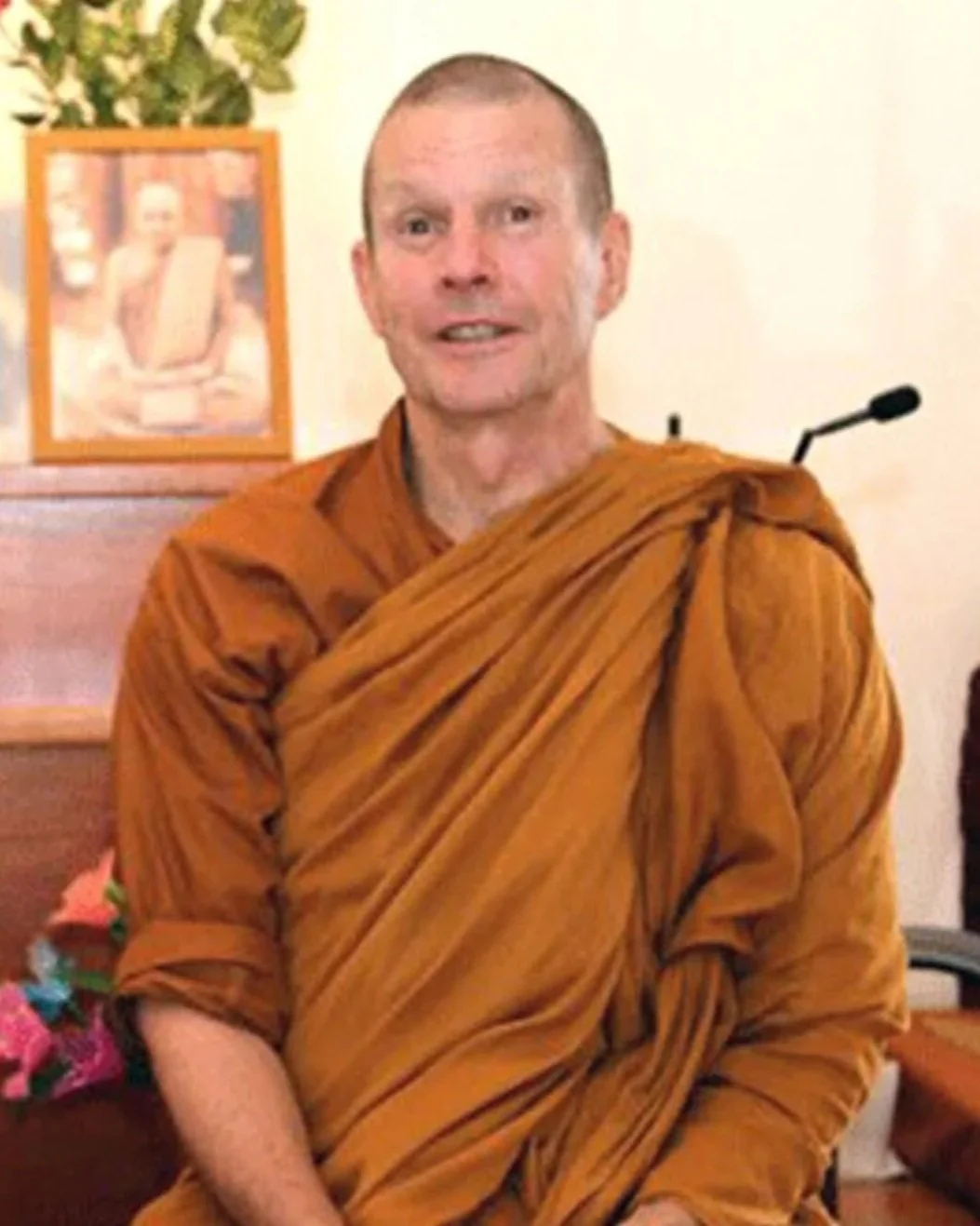
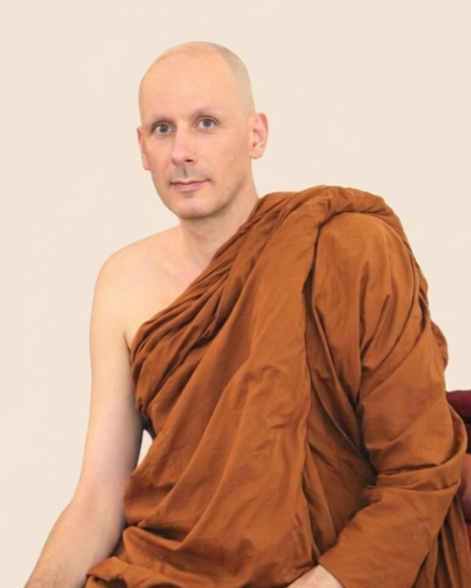
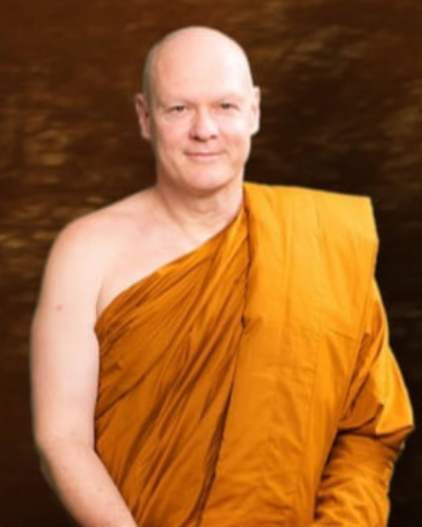
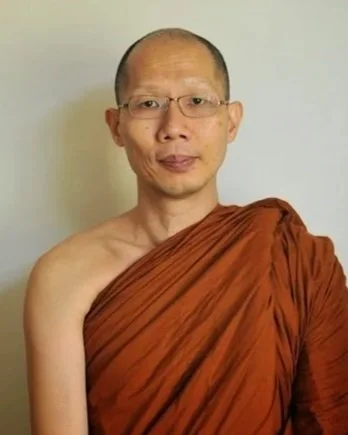
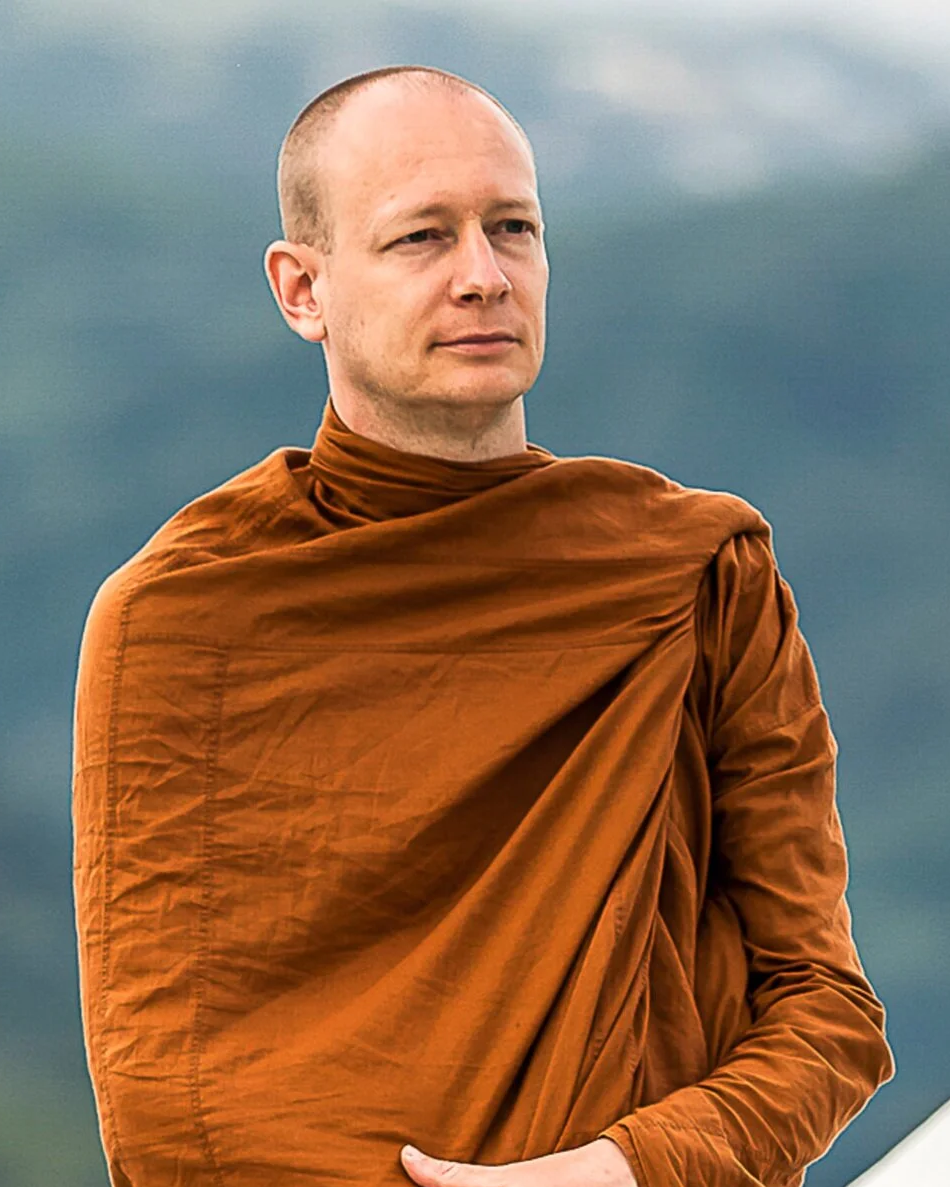
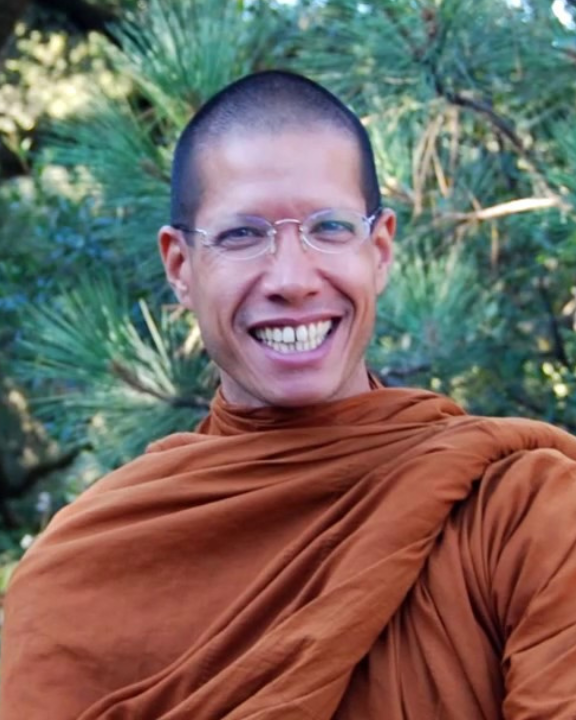
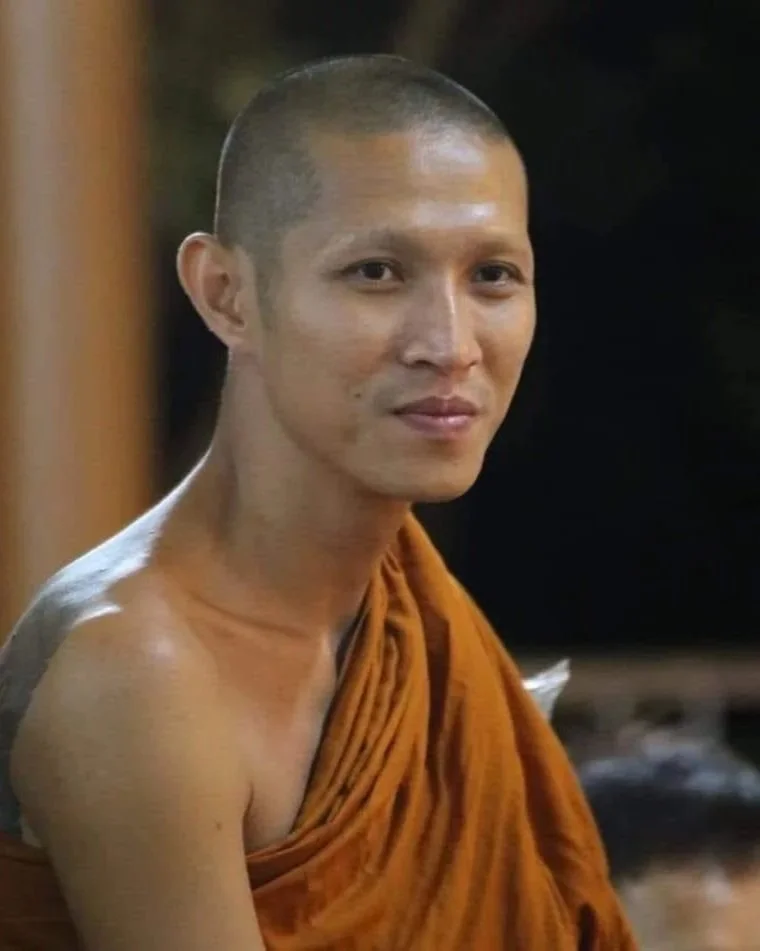
Great Elder

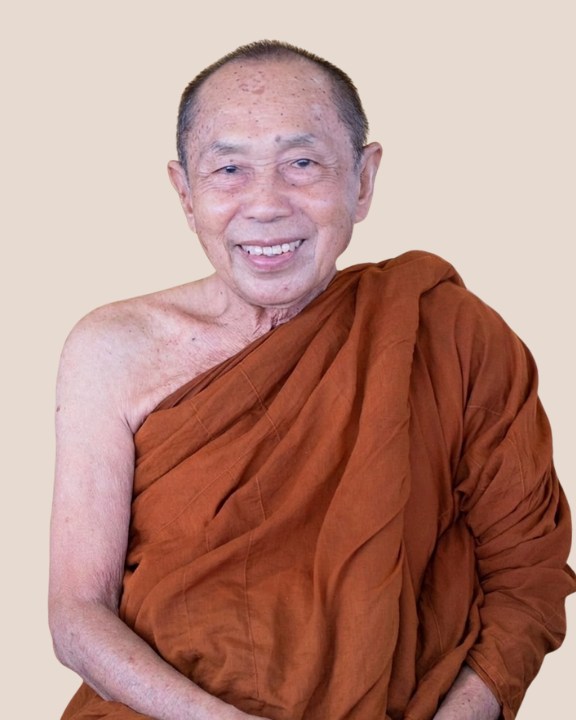
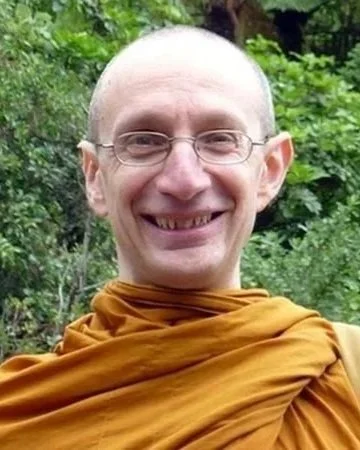
Ven. Ajahn Cattamalo

Introduction

Ajahn Cattamalo is a senior monastic in the Thai Forest Tradition with over 35 years of experience in the robes. Having trained extensively in Thailand and Australia, he eventually returned to his native Germany to help establish a sanctuary for monastic practice. He is highly regarded for his deep understanding of the Vinaya (monastic discipline) and his ability to present the Dhamma with clarity and calm precision.

Early Training in Thailand

Born in Germany, Ajahn Cattamalo's spiritual quest led him to Thailand in the late 1980s. He was ordained as a Bhikkhu in 1988 at Wat Nong Pah Pong, the mother monastery of the lineage founded by the late meditation master Ajahn Chah.

He spent his first seven years as a monk immersed in the rigorous lifestyle of the Thai Forest Tradition. During this time, he practiced and studied in various branch monasteries across Northeast Thailand, learning from several of the most esteemed disciples of Ajahn Chah. This period provided him with a solid foundation in both the meditative arts and the traditional monastic standards of conduct.

The Australian Years: Bodhinyana Monastery

Following his years in Thailand, Ajahn Cattamalo moved to Australia, where he joined Bodhinyana Monastery in Perth. He spent a total of 13 years at Bodhinyana, becoming a central figure in the development of the community.

For the final five years of his stay in Australia, he served as the Deputy Abbot, assisting Ajahn Brahmavamso (Ajahn Brahm). In this role, he was responsible for the day-to-day guidance of the monastic community and the administration of the monastery, while also offering Dhamma teachings to the growing lay community in Perth.

Founding Muttodaya Forest Monastery

In 2008, Ajahn Cattamalo returned to Germany with the vision of establishing a forest monastery that strictly adhered to the original standards of the Ajahn Chah lineage. This led to the founding of Muttodaya Forest Monastery in Stammbach, located in the Franconian Forest of Bavaria.

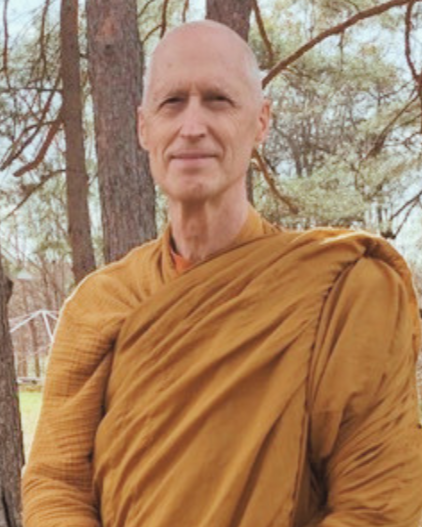
Ven. Ajahn Martin

Introduction

Ajahn Martin Piyadhammo is a senior monastic in the Thai Forest Tradition, widely recognized for his uncompromising commitment to the practice of meditation and the preservation of the forest way of life. Having trained for decades under one of the 20th century’s most renowned meditation masters, he is known for his direct, powerful teaching style that focuses on the eradication of mental defilements through intensive mindfulness and wisdom.

Professional Background to Monastic Life

Born in Germany in 1957, Ajahn Martin’s early life was dedicated to the sciences. He worked as a Computer Engineer, a background that often informs his logical and systematic approach to explaining the mechanics of the mind. Despite his professional success, a deep spiritual search led him to Thailand, where he discovered the rigorous "Kammatthana" (meditation) tradition of the Northeast.

Apprenticeship under Luang Ta Mahā Bua

In 1995, he received ordination at Wat Pa Baan Taad under the guidance of the legendary Luang Ta Mahā Bua Ñāṇasampanno. Luang Ta Mahā Bua was the chief disciple of Ajahn Mun and was revered throughout Thailand as a fully enlightened master.

Ajahn Martin spent the next 16 years training directly under Luang Ta, immersing himself in an environment of strict discipline and intensive effort. During this period, he became a close student of Ajahn Paññavaddho, the senior-most Western disciple at the monastery, from whom he learned the intricacies of translating the Dhamma for the Western mind.

Life in the Jungle: The Path of Effort

Ajahn Martin’s practice is defined by extraordinary endurance and solitude. For over 20 years, he lived in the remote jungles of Thailand, embodying the quintessential forest monk lifestyle:

  • Intensive Meditation: He is known for frequently meditating up to 14 hours a day, testing the limits of both body and mind to achieve deep stillness.

  • Tudong (Wandering): He undertook annual tudong pilgrimages, wandering through uninhabited forests and mountains for months at a time, living in the open and relying on the Dhamma as his sole refuge.

Teacher to the International Community

Following the passing of Ajahn Paññavaddho in 2004, Ajahn Martin took on the vital responsibility of instructing the international visitors who flocked to Wat Pa Baan Taad. For many years, he served as the primary Dhamma teacher for foreign practitioners, translating the profound and often pithy instructions of Luang Ta Mahā Bua into clear, practical guidance for Westerners.

Current Leadership at Wat Phu Khong Tong

Today, Ajahn Martin is the Abbot of Wat Phu Khong Tong in Nong Bua Lamphu province. The monastery remains a sanctuary for those seeking a quiet, traditional environment for serious practice. He continues to share the Dhamma through retreats and talks, emphasizing the same "straight-talk" and intensive effort he learned from his teachers.

Ven. Ajahn Kittisobhāņo

Introduction

Ajahn Kittisobhāņo, widely known as Bhante Huat Poh, is a Malaysian-born monastic in the Thai Forest Tradition. A former engineer who chose the path of renunciation, he is respected for his ability to translate the profound, ascetic wisdom of the forest tradition into practical guidance for the lay community. Proficient in both English and Hokkien, he serves as a vital bridge for practitioners in Malaysia seeking an authentic connection to the Dhamma.

Early Life and Spiritual Awakening

Born and raised in Penang, Bhante Huat Poh’s spiritual journey began in his teenage years when he was first introduced to Theravada Buddhism. While many young adults move away from spiritual pursuits as they enter the workforce, his interest in the Dhamma only deepened as he matured.

He initially pursued a career in the secular world, working as a professional engineer. However, the drive to understand the nature of suffering and liberation eventually led him to realize that his true calling lay in the monastic life. Following the example of the Buddha, he chose to "go forth" from the home life into homelessness.

Training in the Dhammayut Tradition

Bhante Huat Poh was ordained in the Dhammayut Nikāya, a branch of the Thai Forest Tradition known for its strict adherence to the Vinaya (monastic discipline) and its emphasis on intensive meditation.

He has spent the past 15 years of his monkhood practising in the remote regions of Thailand. This "forest training" involves living in solitude, enduring the elements, and cultivating a mind that is steady and alert. His practice is rooted in the lineage of the great forest masters, focusing on the development of Sati (mindfulness) and Samadhi (concentration) as the foundations for wisdom.

Mission in Thailand and Malaysia

Currently, Bhante Huat Poh divides his time between the rugged mountains of the North and his home state of Penang:

  • Omkoi, North Thailand: He continues his practice in a remote monastery in Omkoi, a region known for its high-altitude forests and hill-tribe communities. This environment provides the silence and seclusion necessary for deep contemplative work.

  • Vihara Boon Raksa, Penang: When in Malaysia, he resides at Vihara Boon Raksa, where he is instrumental in sharing the Dhamma with the local community.

Ven. Ajahn Nyaniko

Introduction

Ajahn Nyaniko is a senior American monastic and the current Abbot of Abhayagiri Buddhist Monastery. Having entered the monastic life at a young age, he represents a generation of Western monastics who have fully integrated the rigorous discipline of the Thai Forest Tradition with a modern Western upbringing. He is known for his calm, steady presence and his ability to convey the Dhamma with simplicity and directness.

Early Path and Ordination

Born and raised in California, Ajahn Nyaniko’s spiritual journey began in his late teens. In 2001, at the age of 20, he visited Abhayagiri Buddhist Monastery in Redwood Valley, California. Deeply moved by the lifestyle and teachings, he decided to commit to the path of renunciation almost immediately.

His monastic progression followed the traditional stages of the Forest Tradition:

  • 2001: Ordained as an Anagarika (eight-precept postulant).

  • 2002: Took Samanera (novice) ordination.

  • July 2003: Received full Bhikkhu ordination, with Luang Por Pasanno as his preceptor.

Training and International Experience

Ajahn Nyaniko received his foundational training under the direct guidance of two of the most senior Western disciples of Ajahn Chah: Luang Por Pasanno and Luang Por Amaro. Their mentorship provided him with a deep understanding of the Vinaya (monastic code) and the meditative heart of the tradition.

To further refine his practice and immerse himself in the roots of the lineage, Ajahn Nyaniko spent over six years training in Thailand. This period allowed him to practice in the rugged forest monasteries of Northeast Thailand, experience the culture that birthed the tradition, and learn from various Thai masters within the Ajahn Chah circle.

Leadership at Abhayagiri

Upon returning to the United States, Ajahn Nyaniko took on increasing responsibilities within the Abhayagiri community.

  • 2018 – 2020: Following Luang Por Pasanno’s decision to step back from administrative leadership, Ajahn Nyaniko served as Co-Abbot alongside Ajahn Karuṇadhammo. Together, they guided the community through a period of transition and growth.

  • June 2020 – Present: Ajahn Nyaniko assumed the role of sole Abbot of Abhayagiri. In this capacity, he oversees the spiritual and administrative life of the monastery, supporting a community of monastics and lay practitioners on the "Fearless Mountain" (the English translation of Abhayagiri).

Ven. Ajahn Jayanto

Introduction

Ajahn Jayanto is a senior American monastic in the lineage of Ajahn Chah. With decades of training across Europe, Asia, and North America, he has played a central role in bringing the Thai Forest Tradition back to his roots in New England. He is known for his calm, thoughtful presence and his dedication to establishing monastic communities that serve as spiritual sanctuaries for the modern world.

Early Spiritual Search

Born in Boston in 1967, Ajahn Jayanto grew up in Newton, Massachusetts. His path to the Dhamma began during his time at the University of Wisconsin-Madison, where a period of international travel sparked a deep interest in the spiritual life.

Upon returning to the U.S., he began attending meditation classes at the Cambridge Insight Meditation Center, which eventually led him to the Insight Meditation Society (IMS) in Barre, Massachusetts. It was there that he felt the call to the monastic life, making plans to join the community of Luang Por Sumedho in England.

Monastic Training in Europe and Thailand

In 1989, Ajahn Jayanto traveled to the UK to begin his life as a postulant at Amaravati Buddhist Monastery. He took full Bhikkhu (monk) ordination in 1991 at Cittaviveka (Chithurst Buddhist Monastery), with Ajahn Sumedho as his preceptor.

For the next several years, he trained rigorously in the UK at both Chithurst and Aruna Ratanagiri (Harnham Buddhist Monastery). Seeking to deepen his practice in the source of his tradition, he embarked on a formative period of practice in Thailand and other Asian Buddhist countries from 1997 to 2006. This decade of "forest training" allowed him to immerse himself in the lifestyle and meditation techniques of the Thai masters.

Establishing Temple Forest Monastery (Jetavana)

After returning to the UK in 2006 and serving the community at Amaravati for several years, Ajahn Jayanto felt the call to help establish a monastic presence in his home region of New England.

Since 2009, he has been a leading figure in the efforts to found a branch monastery in the United States. This culminated in the establishment of Temple Forest Monastery (Jetavana) in Temple, New Hampshire, in 2014. As the Abbot, he has overseen the transformation of a historic property into a thriving forest monastery, providing a space for both monastic training and lay practice in the northeastern United States.

Ven. Ajahn Kusalo

Introduction

Ajahn Kusalo is a senior monk in the Thai Forest Tradition, widely respected for his practical, "down-to-earth" approach to the Dhamma. With a background in the construction industry and a former life as a householder, he brings a unique, relatable perspective to spiritual practice, emphasising that the path to peace is found within the ordinary activities of daily life.

Early Life: From Builder to Seeker

Born in Auckland, New Zealand, in 1952, Ajahn Kusalo lived a full householder life before entering the monastery. He worked for many years in the building industry as a carpenter and builder, eventually qualifying as a Quantity Surveyor. This professional background significantly informs his teaching style, which often uses structural metaphors and focuses on the "craft" of mental cultivation.

His spiritual journey began in earnest around 1980 when he met Ajahn Jāgaro in Perth, Australia, and attended retreats led by Ajahn Sumedho. Despite his deep interest in the Dhamma, he continued to fulfil his responsibilities as a husband and father to his son for another decade before transitioning to monastic life.

Monastic Path and Ordination

In 1990, he joined Ajahn Viradhammo at Bodhinyanarama Monastery in Wellington to begin his formal training. He took full Bhikkhu ordination in 1992 with Ajahn Sumedho as his preceptor.

His monastic training has been international in scope:

  • New Zealand (1992–1994): Initial years of training at Bodhinyanarama.

  • United Kingdom (1994–2000): Six years at Amaravati Buddhist Monastery, training under the direct guidance of Ajahn Sumedho.

  • Europe (2000–2004): Spent time in Wales and several years wandering (tudong) through various parts of Europe, further refining his practice in solitude and diverse environments.

Establishing Tisarana (Canada)

In 2004, Ajahn Kusalo moved to Canada to assist Ajahn Viradhammo in establishing a new forest monastery. For eight years, he played a central role in the growth of Tisarana Buddhist Monastery in Ontario, serving as its co-abbot. True to his roots, he was deeply involved in the physical manifestation of the monastery, literally "hooking on his tool belt" to help renovate the original farm buildings into a sanctuary for practitioners.

Return to Bodhinyanarama

In 2012, Ajahn Kusalo returned to his "home" monastery, Bodhinyanarama, in New Zealand to succeed Ajahn Tiradhammo as Abbot. Under his leadership, the monastery continues to be a thriving focal point for the Thai Forest Tradition in the Southern Hemisphere, offering a space for both rigorous monastic training and lay community engagement.


Ven. Ajahn Dhammasiha

Introduction

Ajahn Dhammasiha is a senior monk within the Thai Forest Tradition, known for his deep scholarly knowledge of the Suttas (the Buddha’s original discourses) and his commitment to the rigorous meditative life of the forest lineage. With a background that spans European academia, Sri Lankan forest training, and the Thai-Australian monastic community, he offers a teaching style that is intellectually rigorous yet profoundly practical.

From Corporate Culture to the Dhammapada

Born in West Germany in 1966, Ajahn Dhammasiha’s early life was centered on academic and professional pursuits. After serving in the German armed forces and completing his studies in Business Administration in West Berlin, he embarked on a PhD project focused on "Indian Corporate Culture."

It was during his field research in India in 1994 that he encountered the Dhammapada. This ancient collection of the Buddha's sayings resonated so deeply with him that he described it as a "true revelation," prompting him to pivot from a corporate career toward the path of renunciation.

Monastic Foundations: Sri Lanka and the Vinaya

In 1995, he took ordination in Sri Lanka under the guidance of Most Ven. Pandita K. Sri Jinavarisa. He spent three formative years at Nissarana Vana (Meetisigala), one of Sri Lanka’s most respected forest monasteries. This period was dedicated to:

  • Solitary Practice: Developing deep concentration and mindfulness in a secluded forest environment.

  • Meticulous Vinaya: Mastering the traditional monastic code of discipline, which remains a cornerstone of his practice today.

Integration into the Thai Forest Tradition

In 1998, Ajahn Dhammasiha moved to Australia to train within the lineage of Ajahn Chah. He spent significant time at Bodhinyana Monastery in Perth and Vimokkharam Forest Hermitage in Melbourne.

During his training in Australia, he had the rare opportunity to receive direct teachings from some of the most revered meditation masters of the Thai Forest Tradition, including Luang Por Tui and Luang Por Plien. These influences helped him synthesize the strict discipline of the Sri Lankan tradition with the profound meditative insights of the Thai masters.

Establishing Dhammagiri Forest Hermitage

In 2007, Ajahn Dhammasiha accepted an invitation to Brisbane to help establish a forest monastery for the local community. Under his guidance, Dhammagiri Forest Hermitage was established as a sanctuary for those seeking silence and spiritual growth.

As the Abbot, he has worked tirelessly to create a "forest" environment in the Brisbane hinterlands where monastics and laypeople alike can practice the Dhamma in its traditional form.

Ven. Ajahn Achalo

Introduction

Ajahn Achalo is a senior Western disciple in the lineage of the late Ajahn Chah. Known for his deep devotion and extensive training under some of the greatest living masters of the Forest Tradition, he brings a wealth of experience in meditation, monastic discipline, and the art of spiritual pilgrimage. His teachings are characterized by a profound gratitude for the Dhamma and a practical emphasis on finding "peace beyond suffering."

Early Life and Path to Ordination

Born in Brisbane, Australia, in 1972, Ajahn Achalo’s spiritual journey began in his early twenties. His keen interest in meditation led him to Thailand at the age of 21, where he spent two years exploring various meditation centers and monasteries.

In 1996, he took full ordination as a Bhikkhu (monk) at Wat Nong Pah Pong, with Luang Por Liem serving as his preceptor. This began a decades-long immersion in the strict, disciplined lifestyle of the Thai Forest Tradition.

A Lineage of Wisdom: Teachers and Mentors

Ajahn Achalo’s training is distinguished by the time he spent learning directly from several of the most influential teachers in the Western and Thai Forest Sangha. His path has been shaped by the guidance of:

  • Tan Ajahn Anan: The Abbot of Wat Marp Jan, whom Ajahn Achalo considers his principal mentor and guide for the majority of his monastic life.

  • Senior Western Elders: He has received personal guidance from Ajahn Sumedho, Ajahn Pasanno, Ajahn Jayasaro, and Ajahn Kalyano.

Beyond the Thai Forest Tradition, Ajahn Achalo has also expressed deep appreciation for the instructions and compassionate example of His Holiness the 14th Dalai Lama, whose teachings he integrates as a valuable complement to his core Theravada practice.

Diverse Training and Pilgrimage

A hallmark of Ajahn Achalo’s monastic life is his varied experience across different contemplative settings. He has practiced in:

  • International Forest Monasteries: Training in several monasteries within the Ajahn Chah lineage globally.

  • Remote Forest Retreats: Spending significant periods in the solitude of nature to deepen his meditation.

  • Traditional Pilgrimage: Traveling to sacred sites to cultivate faith and reflection, a practice that informs his teaching on the "living" nature of the Dhamma.

Anandagiri Forest Monastery

Today, Ajahn Achalo is the Abbot of Anandagiri Forest Monastery in Petchabun, Thailand. Under his leadership, the monastery has become a sanctuary for both monastics and laypeople seeking to cultivate mindfulness and wisdom. He has also been instrumental in various charitable projects, including the development of local infrastructure and support for Buddhist education.

Ven. Ajahn Dton

Introduction

Ajahn Maha Dton Dhirapanno is a distinguished teacher in the Thai Forest Tradition whose life path uniquely bridges the worlds of modern medicine and ancient spiritual wisdom. A former pediatrician, Ajahn Dton brings a scientific mind and a deeply compassionate heart to his Dhamma teachings, making them highly accessible to professionals and laypeople seeking balance in a fast-paced world.

Medical Excellence and International Training

Born in Chonburi, Thailand, in 1967, Ajahn Dton (born Keyrati Srivuthana) initially pursued a career in medicine. After completing his foundational medical education in Thailand, he was awarded a prestigious Thai government scholarship to specialize in Paediatrics in the United States.

From 1994 to 1997, he served at the Children’s Hospital of Michigan (American Board of Pediatrics). During his residency, he was not only recognized for his clinical skill but also for his exceptional bedside manner, receiving the "Best of Hospitality" award—a testament to the innate kindness (Metta) that would later become a hallmark of his monastic life.

The Turning Point: Medicine for the Mind

While in the United States, despite his professional success, Ajahn Dton sought a deeper fulfillment. He attended a meditation retreat led by Ajahn Jayasaro (then the Abbot of Wat Pah Nanachat). This experience proved transformative; he realized that while medicine could heal the body, the Dhamma offered a cure for the underlying suffering of the mind.

Upon completing his advanced medical commitments, he returned to Thailand to enter the monastic life, taking his vows at Wat Pah Nanachat (The International Forest Monastery) in the lineage of Ajahn Chah.

Scholarly Achievement: The Title of "Maha"

In the Thai monastic tradition, the title "Maha" is a distinguished honour reserved for those who demonstrate high proficiency in the study of the Pali language, the original language of the Theravada scriptures.

Ajahn Dton’s intellectual rigor led him to complete advanced Buddhist studies, earning him Grade 3 Pali studies proficiency. This academic foundation allows him to share the Buddha’s original discourses with deep accuracy and linguistic insight.

Integration of Dhamma and Healthcare

Given his medical background, Ajahn Dton occupies a unique role as a Buddhist adviser and meditation instructor for:

  • Hospitals and Medical Schools: Helping healthcare professionals manage burnout and cultivate compassion.

  • Government Departments: Integrating mindfulness into public service.

  • Schools: Teaching the next generation the foundations of mental well-being.

He currently serves as the Co-Abbot of Wat Pah Boon Lorm in Ubon Ratchathani, a monastery that emphasizes the traditional forest lifestyle while remaining deeply engaged with the local and international community.

Ven. Chao Khun Keng

Introduction

Chao Khun Keng Khemako (commonly known by his students as Ajahn Keng) is a distinguished Singaporean monk within the Thai Forest Tradition. He is a prominent figure in the lineage of the legendary Ajahn Mun Bhuridatto, known for his rigorous adherence to forest monasticism and his compassionate leadership of communities across Southeast Asia. In recognition of his contributions to the Dhamma, he was conferred the ecclesiastical title of "Chao Khun" by the Thai Royal Family in 2012.

Early Path and Ordination

Chao Khun Keng’s journey into the monkhood was guided by some of the tradition's most respected Western and Thai masters. In 1987, acting on the recommendation of Ajahn Ṭhānissaro (Geoffrey DeGraff), he traveled to Thailand to begin his monastic training.

He received full ordination into the Dhammayut Order, a branch of Thai Buddhism known for its strict discipline and emphasis on meditation. His foundational years were shaped by the guidance of first-generation disciples of Ajahn Mun, ensuring that he received the "heart-wood" of the Forest Tradition's teachings.

Lineage and Mentorship

A defining aspect of Chao Khun Keng’s practice is his close relationship with his teacher, Luang Pu Jiak Cundo. Luang Pu Jiak was one of the most renowned first-generation disciples of Ajahn Mun, famous for his direct, "bone-deep" teaching style and his mastery of meditation.

Through this lineage, Chao Khun Keng serves as a vital link between the classic era of the Thai Forest masters and the modern Buddhist community in Malaysia and Singapore.

Regional Leadership and Service

Chao Khun Keng holds a unique and demanding set of responsibilities, overseeing monasteries in three different geographical and cultural contexts:

  • Santi Forest Monastery (Johor Bahru, Malaysia): As Abbot, he provides a sanctuary for forest practice just across the border from Singapore, making the tradition accessible to many Malaysians.

  • Om Koi Hill-Tribe Monastery (Chiang Mai, Thailand): He serves as Abbot of a remote forest monastery in the mountains of Northern Thailand, supporting the spiritual and social welfare of the hill-tribe communities.

  • Palelai Buddhist Temple (Singapore): As President, he guides one of Singapore’s oldest and most established Buddhist temples, bridging the gap between traditional forest practice and urban Buddhist life.

The Title of "Chao Khun"

In 2012, His Majesty the King of Thailand bestowed upon him the title of Chao Khun, a high-ranking ecclesiastical honor rarely given to non-Thai monastics. This title recognizes his seniority, his mastery of the Dhamma, and his significant roles in both the administration of the Sangha and the propagation of the Buddha’s teachings internationally.

As a visiting monastic at BUBS, Chao Khun Keng offers a bridge between cultures—sharing the profound, ascetic wisdom of the Thai mountains in a way that resonates deeply with the Singaporean and Malaysian experience.

Āyasmā Ariyadhammika

Introduction

Āyasmā Ariyadhammika is a highly seasoned Austrian Thera (Elder) with a vast breadth of experience across the primary Theravada Buddhist landscapes of Myanmar, Thailand, Sri Lanka, and Malaysia. Known for his "global" monastic training, he integrates various meditation lineages with a deep scholarly focus on Early Buddhism. He currently serves as a guiding teacher for monastics at the Sāsānarakkha Buddhist Sanctuary (SBS) in Perak, Malaysia.

Early Life and Academic Background

Born Björn Selic in Austria in 1976, Āyasmā Ariyadhammika was academically inclined toward Economics and Music, which he studied at the University of Graz. His spiritual curiosity was piqued at the age of 14 upon discovering the Buddha’s teachings in a local library. After a decade of independent study and practice in the U Ba Khin tradition, his commitment to the Dhamma led him to renounce his lay life in 2005 to seek ordination in Asia.

Formative Years in Myanmar (2005–2010)

Āyasmā Ariyadhammika received his full ordination on July 14, 2005, at the renowned Pa-Auk Forest Monastery in Myanmar, with Pa-Auk Sayadaw as his preceptor. He spent five years living a minimalist forest life, often dwelling in the open air under trees. During this time, he mastered Ānāpānassati (mindfulness of breathing) and later explored the diverse meditation techniques of the Mogok, Mahasi, Shwe Oo Min (U Tejaniya), and Sunlun traditions.

Thai Forest Training (2010–2013)

Seeking to experience the lifestyle of the Thai Forest Tradition, he moved to Thailand in 2010. He underwent the traditional training of a forest monk at Wat Pah Nanachat (the International Forest Monastery of the Ajahn Chah lineage). He spent his final year in Thailand on thudong (monastic wandering), journeying throughout the country to practice in secluded branch monasteries and Dhammayuttika Nikāya forest hermitages.

Connection with Malaysia and Ven. Aggacitta (2013–2015)

In 2013, Āyasmā Ariyadhammika arrived in Malaysia, where he developed a significant spiritual bond with Āyasmā Aggacitta Mahāthera. He spent two years at Sāsānarakkha Buddhist Sanctuary (SBS) and the Mūla Vihāra hermitage, engaging in intensive studies of Pāli, Suttanta, and the Vinaya (monastic discipline) under Ven. Aggacitta’s mentorship.

Sri Lankan Residency and Preceptorship (2015–2018)

To complete his study of the three main Theravada cultures, he moved to Sri Lanka in 2015. He practised and taught at Nā Uyana Aranya, and later at the historic Island Hermitage (founded by Ven. Ñānatiloka). During this period, he took on the role of upajjhāya (preceptor), ordaining and training Western disciples while leading them on thudong through the Sri Lankan hillsides.

Current Leadership at SBS

In 2018, having accomplished his goal of exploring the meditation methods and monastic cultures of the major Theravada nations, Āyasmā Ariyadhammika returned to Malaysia to settle long-term. He accepted the invitation to become the Saṅghaṇāyaka at the SBS Monk Training Centre in Taiping. In this role, he is dedicated to supporting and training fellow monastics in a way that balances forest practice with scriptural accuracy.

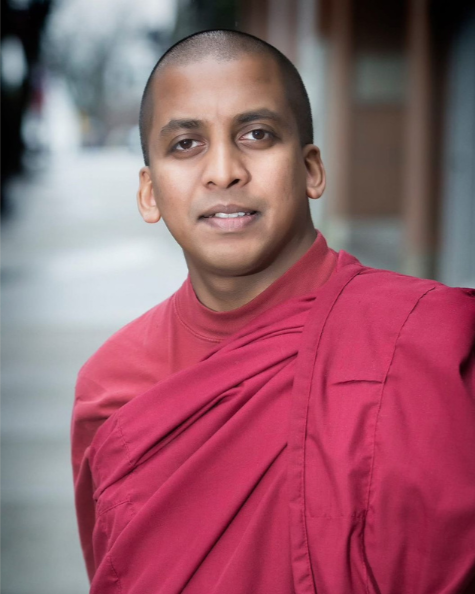
Ven. Ajahn Siripanyo

Introduction

Ajahn Siripanyo is a respected senior monk in the Thai Forest Tradition whose life story bridges the cosmopolitan world of his upbringing with the ascetic rigours of the jungle. Of Thai and Malaysian descent, he is known for his humility and his choice to practice in one of the most remote and challenging environments in Thailand. As the Abbot of Dtao Dam, he oversees a sanctuary dedicated to deep meditation and the preservation of the natural world.

Early Life and Education

Born in London, Ajahn Siripanyo grew up in a multicultural environment, being the son of a prominent Malaysian businessman and a Thai mother. He was educated in the United Kingdom, where he experienced a diverse and modern upbringing. Despite the comforts of his early life, his spiritual search led him to explore the teachings of the Buddha, eventually drawing him to the discipline and simplicity of the Forest Tradition.

Entering the Forest Path

Ajahn Siripanyo took ordination in Thailand over 20 years ago. He was trained in the lineage of Ajahn Chah, a tradition that emphasizes the development of mindfulness through the strict adherence to monastic discipline (Vinaya) and the endurance of physical hardships.

His training took place in the traditional forest monasteries of Thailand, where he immersed himself in the "dhutanga" (ascetic) practices. This path involves living simply, often under trees or in caves, and relying on the generosity of local villagers for a single daily meal.

Abbot of Dtao Dam Hermitage

Currently, Ajahn Siripanyo serves as the Abbot of Dtao Dam, a remote forest hermitage located deep within the Sai Yok National Park in Kanchanaburi Province, near the Thai-Burmese border.

Dtao Dam is renowned for its isolation and its rugged beauty. It is a place where:

  • The Wilderness is the Teacher: Monastics live without modern amenities, practising in a landscape shared with wild animals and the elements.

  • Intensive Meditation: The focus is entirely on the cultivation of Samadhi (concentration) and Panna (wisdom) in the silence of the deep jungle.

  • Environmental Stewardship: Under Ajahn Siripanyo's guidance, the hermitage acts as a protector of the surrounding forest, embodying the Buddhist principle of living in harmony with all sentient beings.

Evening Dhamma Talk by Ven. Ajahn Siripanyo on 29 Dec 2024

Ven. Ajahn Siripanyo - Reflections on "Loving The Humour of Human Life”

Timeless Teachings of Ajahn Chah by Ajahn Siripanno

Ven. Ajahn Golf

Introduction

Phra Surawat Khemachitto, affectionately known as Ajahn Golf, is a dedicated meditation master from the Dhammayut school of the Thai Forest Tradition. Based in the forest heartland of Northeast Thailand, he is known for his disciplined adherence to the monastic code and his practical, direct approach to meditation. Having spent decades training under various masters in the lineage of Ajahn Mun, Ajahn Golf brings a wealth of experiential wisdom to his students, emphasizing the importance of internalizing the Dhamma before attempting to teach others.

Roots in the Dhammayut Tradition

Born in Bangkok, Ajahn Golf felt a spiritual calling early in life. At the age of 20, he received full ordination in Udon Thani, a province famous for being the spiritual epicenter of the Thai Forest Tradition. He entered the Dhammayut Nikaya, the monastic order founded by King Mongkut that focuses on a return to the original Dhamma-Vinaya (discipline and teachings) and is the home of the Great Forest Masters.

Years of Diligent Practice

Ajahn Golf spent his formative years as a wandering monk, moving between the provinces of Udon, Sakon Nakhon, Khon Kaen, and Nong Bua Lamphu. This "Forest Heartland" is known for its rugged terrain and remote monasteries. During this period, he practiced under various meditation masters, focusing on:

  • Cittabhavana (Mental Development): Developing deep concentration and sharp mindfulness through the traditional forest methods.

  • Seclusion: Spending long periods in solitary practice to observe the subtle movements of the mind.

  • Dhamma-Vinaya: Maintaining the strict standards of conduct that are the hallmark of the Dhammayut tradition.

Leadership at Wat Pa Anuttaro

Today, Ajahn Golf serves as the Abbot of Wat Pa Anuttaro in Nong Bua Lamphu province. Under his guidance, the monastery has become a sanctuary for those seeking a quiet, intensive environment for meditation.

Notably, Ajahn Golf is recognized for his humility and caution regarding teaching. For many years, he focused solely on his own practice, only beginning to teach Dhamma publicly once he felt he had attained a sufficient depth of understanding and the confidence to guide others correctly. This ensures that his instructions are not merely theoretical but are born from direct personal experience.

Ven. U Maṅgala

Introduction

Venerable U Maṅgala is a highly respected Malaysian meditation teacher and a senior disciple of the world-renowned meditation master, Most Venerable Pa-Auk Sayadawgyi. Known for his systematic teaching style and deep dedication to the Samatha-Vipassana practice, he has been instrumental in establishing several meditation hermitages across Asia. As a Malaysian-born monk, he possesses the unique ability to bridge traditional Burmese monastic training with the cultural context of local and international lay practitioners.

Academic Background and Ordination

Born in Malacca in 1968, Ven. U Maṅgala pursued a secular career in law, graduating from the Law Faculty of the University of Malaya. However, his search for a more profound truth led him to the monastic life.

In 1996, he received full ordination under Ven. Pa-Auk Sayadawgyi in Myanmar. He spent the next decade in intensive practice, immersing himself in the detailed meditation manual of the Visuddhimagga (Path of Purification) under the close supervision of his teacher.

Training and Appointment at Pa-Auk

Ven. U Maṅgala’s aptitude for the practice and his clear understanding of the Dhamma led to his appointment as a meditation teacher at the main Pa-Auk Forest Monastery in Mawlamyine, Myanmar, in 2006. In this role, he guided both local and international monastics and laypeople through the rigorous stages of concentration and insight meditation.

Establishing the Tusita and Dhamma Earth Network

In 2008, Ven. U Maṅgala returned to Malaysia to share the fruits of his training. With the support of the Malaysia Dhamma Society, he founded Tusita Hermitage in Kuching, Sarawak. His vision for a dedicated space for intensive practice led to the rapid expansion of the Tusita Saṅgha Council, which now oversees centers in:

  • Malaysia: Kuching, Malacca, Penang, and Taiping.

  • International: The Nepal Himalayas and Taiwan.

In 2016, he established Dhamma Earth (Tusita Dhamma Earth) in Semenyih, Selangor. This center has become a major hub for Dhamma education, youth programs, and intensive retreats in Peninsular Malaysia.

Ven. Ajahn Jutindharo

Introduction

Ajahn Jutindharo is a highly respected senior monk within the Western Forest Sangha. Having ordained in the late 1980s, he belongs to the influential generation of monastics who helped solidify the Forest Tradition in the United Kingdom under the guidance of Luang Por Sumedho. Currently serving as the Abbot of Hartridge Buddhist Monastery, he is known for his calm, reflective teaching style and his ability to make the ancient wisdom of the Thai masters accessible to a modern, Western audience.

Early Life and Spiritual Search

Born and raised in Leeds, England, Ajahn Jutindharo’s spiritual path began during his university years. It was here that he first encountered the Buddha’s teachings and began exploring meditation as a tool for understanding the mind. This intellectual and practical curiosity eventually evolved into a profound life-calling.

In 1987, he made the life-altering decision to join the monastic community. He entered the Sangha during a pivotal time when the Forest Tradition was beginning to take deep root in British soil through monasteries like Amaravati and Cittaviveka (Chithurst).

Training and Development

Ajahn Jutindharo’s monastic training was primarily based in Britain, where he benefitted from the direct mentorship of the first-generation Western elders. His practice has been marked by:

  • The British Forest Way: Mastering the art of maintaining forest standards within a Western cultural context.

  • Asian Pilgrimage: Spending formative periods in Asia to connect with the roots of the tradition, visiting the great forest monasteries of Thailand to strengthen his link to the lineage of Ajahn Chah.

  • Internal Reflection: Developing a teaching style that emphasizes the "Internal Monastery"—the cultivation of a peaceful heart regardless of one's external environment.

Leadership at Hartridge Monastery

In 2007, Ajahn Jutindharo assumed the abbotship of Hartridge Buddhist Monastery in Devon. Nestled in the quiet countryside of Southwest England, Hartridge is a sanctuary dedicated to the practice of the Dhamma-Vinaya. Under his guidance, the monastery has flourished as a center for both monastic training and lay retreats.

Ven. Kai Zhao

Introduction

Venerable Khai Zhao is a compassionate pillar of the Malaysian Buddhist community, widely recognized for his fearless and dedicated service to those in society’s darkest corners. Born in Ipoh, Perak, he has spent over three decades in the robes, primarily known for his pioneering Dhamma work within the prison system. His teachings emphasize the transformative power of forgiveness and the possibility of finding inner freedom even within the walls of a prison cell.

Monastic Training and Education

Venerable Khai Zhao’s spiritual journey began in 1987 when he received his ordination under the Most Venerable Boon Kian at the Ang Hock Si Temple in Penang—the same temple where other notable Malaysian monks, such as Ajahn Cagino, began their paths.

Seeking a solid foundation in Buddhist philosophy, he enrolled in the Malaysia Buddhist College in Penang. Following his graduation, he did not seek a comfortable life in a large monastery but instead chose a path of intense social and spiritual service.

The Prison Ministry: A Voice for the Forgotten

In 1998, Venerable Khai Zhao began a mission that would define his monastic career: teaching the Dhamma in local prisons. He became one of the few monastics willing to provide spiritual counseling and guidance to death penalty inmates.

His work in the prison system focuses on:

  • The "Final Journey": Helping death row inmates find peace, repentance, and spiritual refuge in their final days.

  • Transformative Counseling: Guiding prisoners to understand the karmic consequences of their actions while showing them the path to mental liberation.

  • Expanding the Reach: Since 2006, he has expanded his mission beyond Malaysia, traveling abroad to share his experiences and establish prison Dhamma programs in other countries.

Ven. Ajahn Mettiko

Introduction

Ajahn Mettiko is a German-born monk who embodies the international spirit of the Thai Forest Tradition. Having spent many years training under highly realized masters in Thailand, he eventually returned to his home country to help establish its first traditional forest monastery. Known for his gentle demeanour and his dedication to the Tudong (wandering) lifestyle, Ajahn Mettiko brings a wealth of experience in practising the Dhamma across diverse cultures and landscapes.

Training in the "Cradle of the Forest"

Ajahn Mettiko’s monastic life began in the mountains of Northern Thailand. He received full Bhikkhu ordination in 2004 at Wat Pa Nam Rin in Chiang Mai. For the first four formative years of his monkhood, he practised under the close guidance of Luang Por Thong Daeng Varapañño at Wat Phra Jao Tun Luang—a teacher renowned for his strict adherence to the standards of the forest masters.

His training was characterized by:

  • Seclusion and Simplicity: Living in the remote mountain forests of the North.

  • Lineage Integration: Spending time at Wat Pah Nanachat (the International Forest Monastery) to deepen his connection with the global community of Ajahn Chah's disciples.

  • Tudong Wanderings: Embarking on solitary walking pilgrimages throughout Thailand to test his endurance and sharpen his mindfulness.

A Global Dhammafarer

Ajahn Mettiko is a true "citizen of the Dhamma," having practised in various environmental and cultural contexts. His spiritual journey has taken him far beyond the borders of Thailand. He was among the pioneers who brought the traditional Tudong practice to the forests of Germany, demonstrating the timeless relevance of the Buddha’s path in a Western landscape.

Establishing the Dhamma in Germany

Today, Ajahn Mettiko resides at Muttodaya Forest Monastery in Stammbach, Germany. As the first monastery of its kind in the country, Muttodaya (meaning "Liberated Heart") serves as a sanctuary for those wishing to practice according to the original Dhamma-Vinaya. Alongside Ajahn Cattamalo, Ajahn Mettiko helps provide a training ground for a new generation of European monastics while offering a place of refuge and meditation for the lay community.

Ven. Ajahn Cagino

Introduction

Ajahn Cagino is a Malaysian-born monk whose spiritual journey is as remarkable as it is inspiring. Formerly an internationally acclaimed professional photographer, he traded his camera for the monastic robes to seek a deeper truth. Today, he is widely respected for his arduous 4,000km "Tudong" walking journeys and his compassionate work with hilltribe orphans in Northern Thailand through the Dhammagiri Foundation.

From Award-Winning Photographer to Monk

Before his ordination, Ajahn Cagino (born 1967 in Seremban) was a rising star in the world of photography. Between the ages of 22 and 27, he won over 40 prestigious awards, including first place in the Asia Photography Competition. However, professional success did not quell his inner search for meaning.

His quest for Dhamma led him through the forests of Thailand and New Zealand. He initially ordained as a Samanera (novice) at Ang Hock Si Temple in Penang for a year and a half before receiving full Bhikkhu ordination in 1996 at the age of 29. He spent his first five years under the guidance of Luang Por Gungha in Thailand.

Re-ordination and the 4,000km Journey

In 2001, seeking to deepen his practice in the lineage of Ajahn Chah, Ajahn Cagino re-ordained at Wat Pah Nanachat (the International Forest Monastery). It was during this period that he undertook a legendary Tudong—a solitary walking pilgrimage—covering no less than 4,000km on foot through the rugged wilderness of North and Northeast Thailand.

During these years of wandering, he picked up his camera once more, not for personal fame, but to document the daily lives and quiet dignity of forest monks. These images were later compiled into the renowned photographic essay, "Dhammafarers," which has touched the hearts of many worldwide.

The Birth of Dhammagiri Foundation

While practicing in the remote caves of Mae Hong Son province, Ajahn Cagino’s path took a turn toward social compassion. He encountered children from minority hilltribes who were orphaned or living in extreme poverty. Seeing their vulnerability to drug trafficking and exploitation, he felt a profound calling to help.

In 2010, he established the Dhammagiri Foundation, a Buddhist children's home that provides:

  • Education & Guidance: Scholarships and a safe environment for disadvantaged children.

  • Dhamma Foundation: Teaching moral values, compassion, and self-sufficiency.

  • Cultural Preservation: Helping children maintain their heritage while adapting to modern society.

Current Leadership

In 2014, Ajahn Cagino established Wat Hongson Wanaram, which was officially recognized as the 302nd branch monastery of Wat Nong Pah Pong. He continues to balance his intensive personal meditation practice with the management of the Dhammagiri Foundation, serving as a bridge between the solitary life of the forest and the compassionate service of society.

"The most beautiful photograph is not captured by a lens, but by a heart that is still and kind." — Ajahn Cagino